Building the Offshore Pipeline Network in the Gulf of Mexico
Snapshots of a Working Coast, No. 7
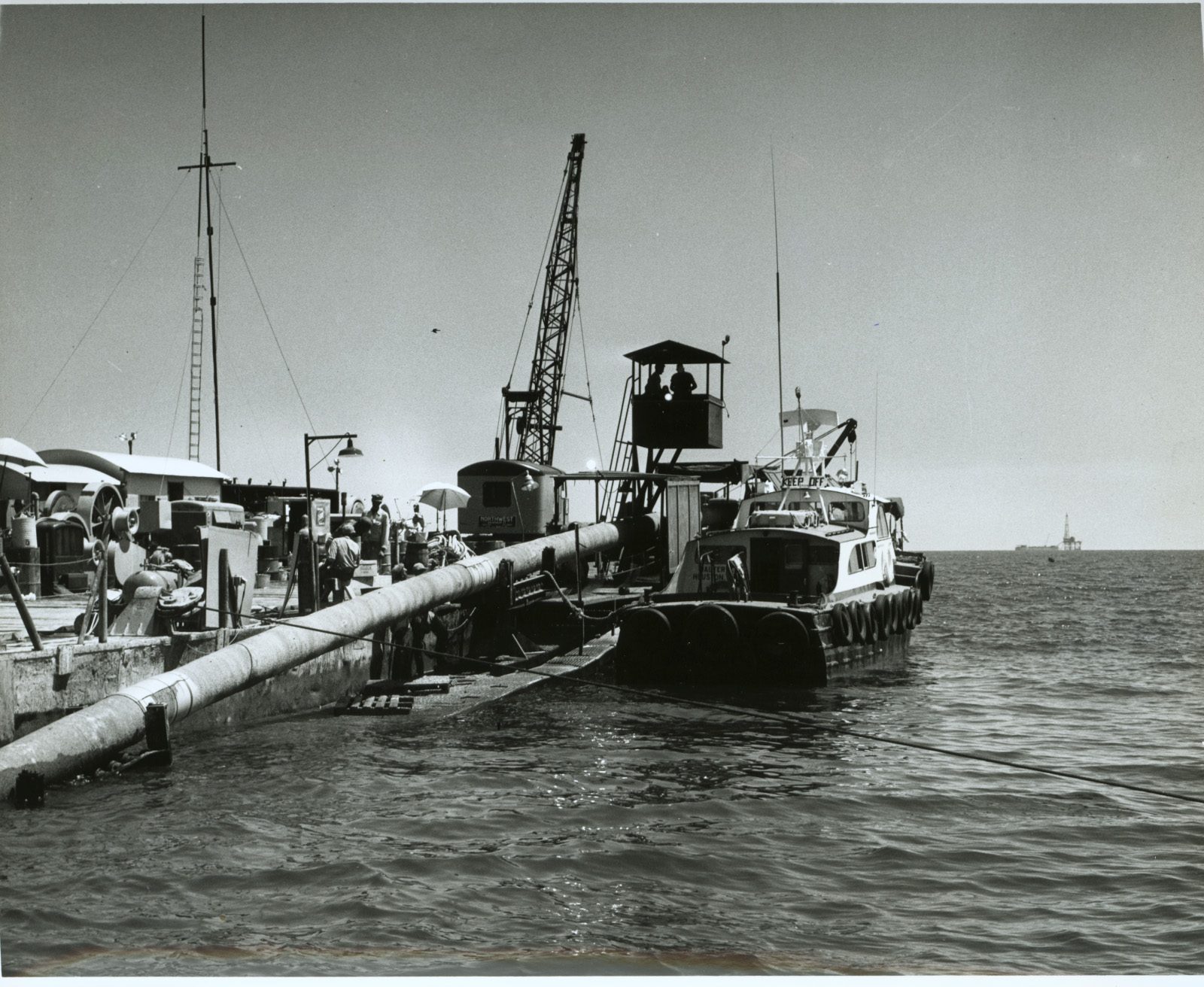
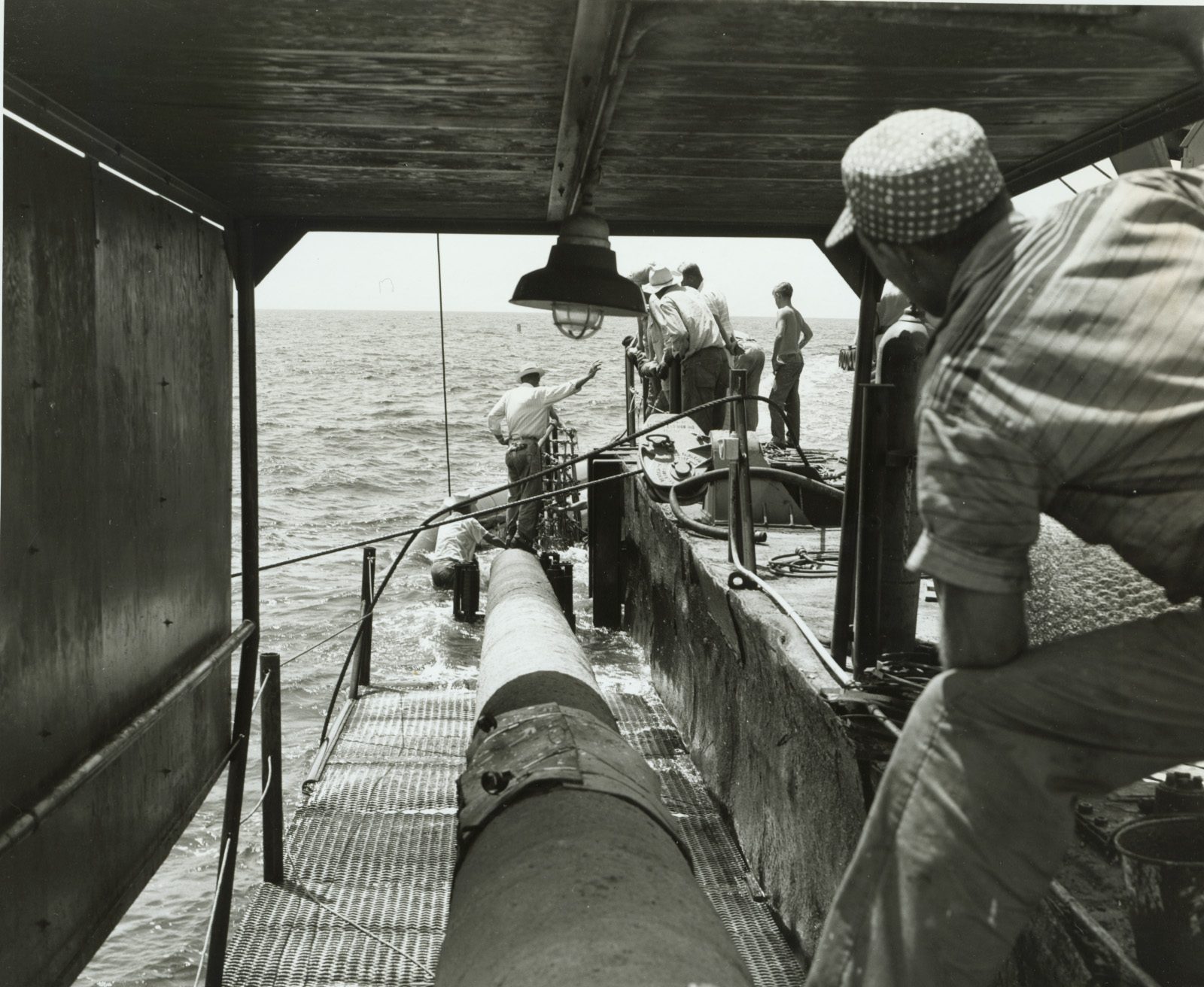
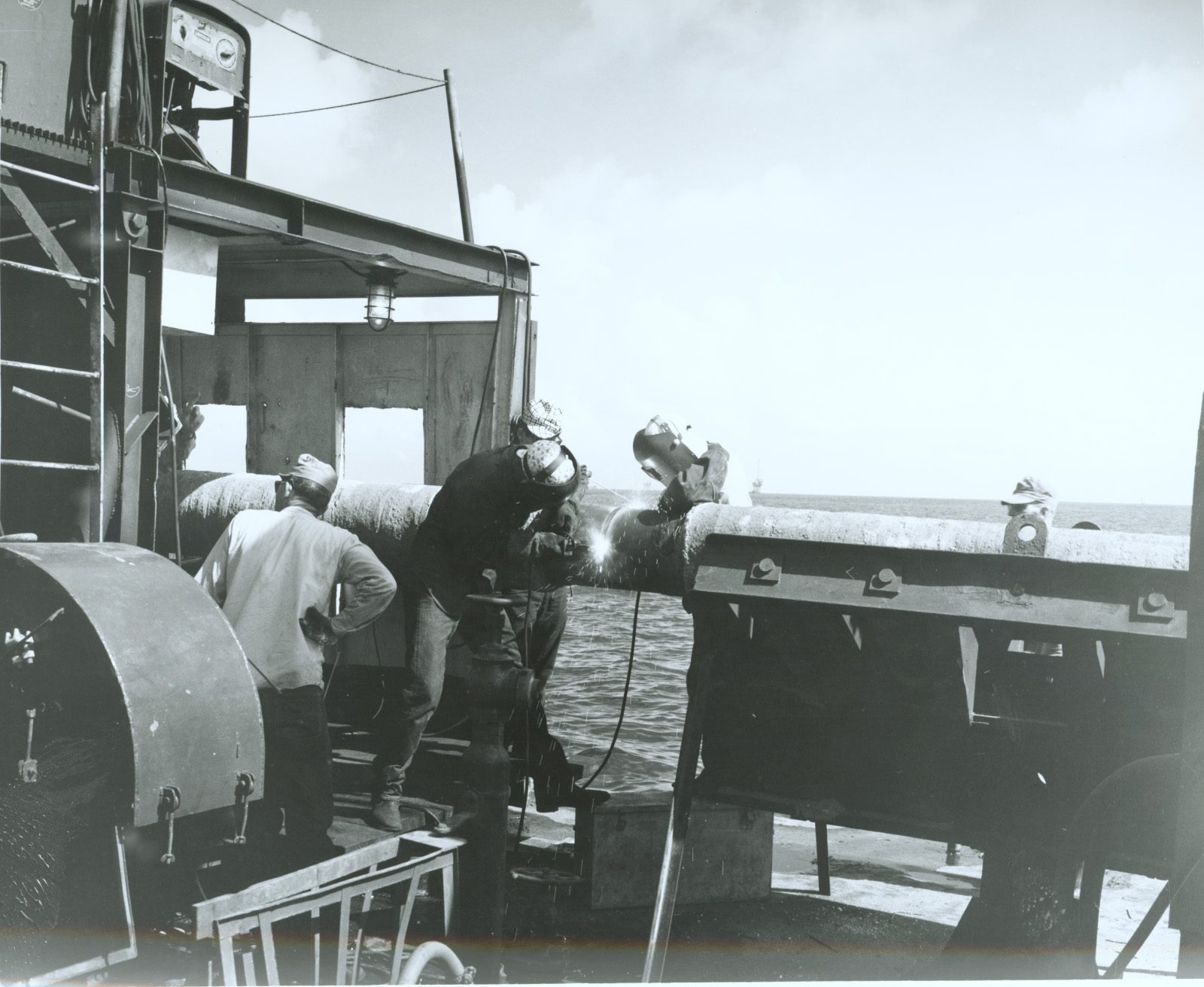
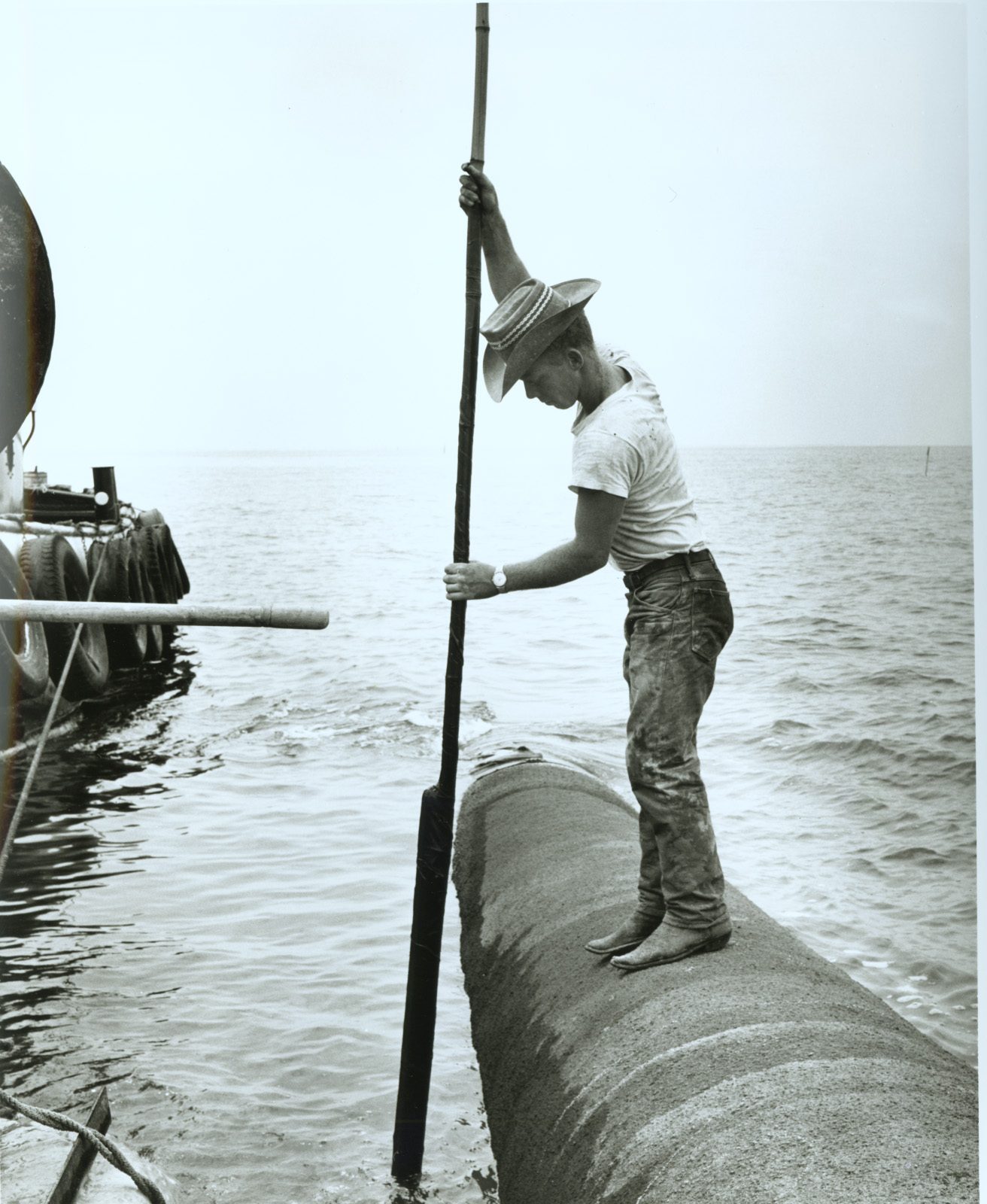
Beneath the Gulf of Mexico lies one of the world’s largest underwater transportation systems. As natural gas production expanded across the Gulf shelf during the postwar decades, Tennessee Gas Pipeline Co. and other interstate pipeline companies extended their gathering systems farther offshore. Specialized lay barges, tugboats, and marine construction crews installed thousands of miles of underwater pipelines across the Gulf. These gathering systems provided a market outlet for offshore producing fields, transporting natural gas to processing facilities along the Gulf Coast before it entered interstate pipeline systems serving the nation’s major consuming markets in the Northeast.
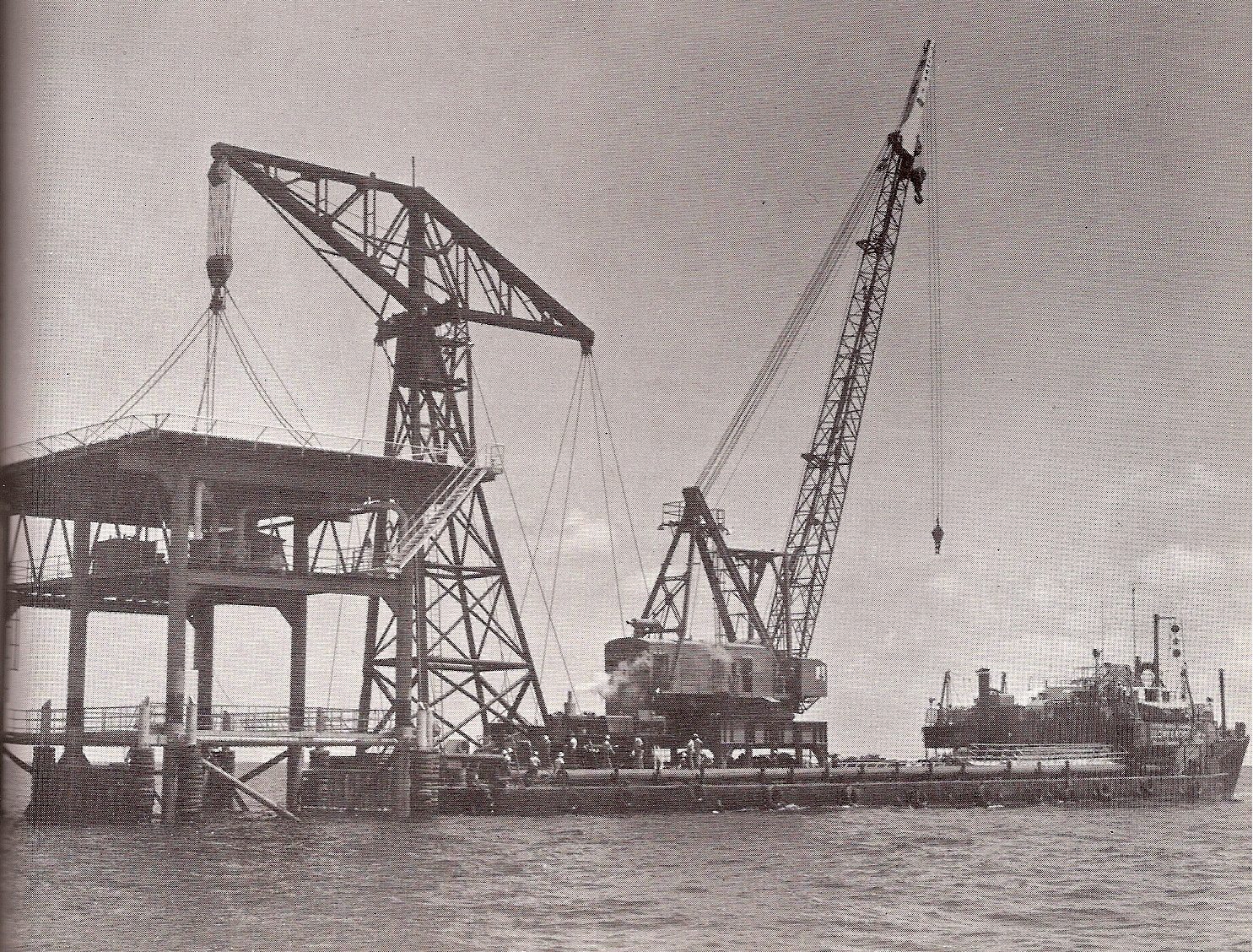
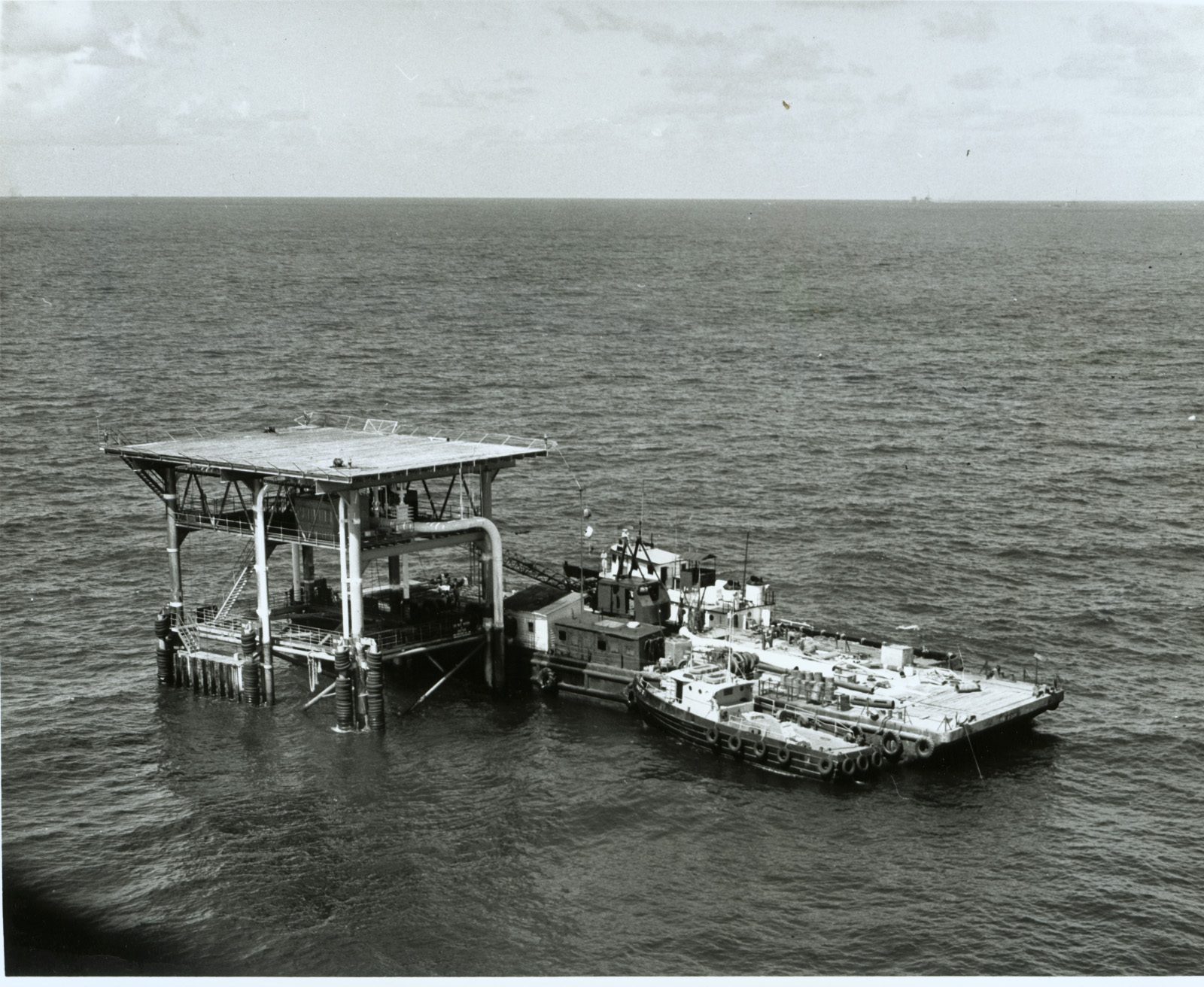
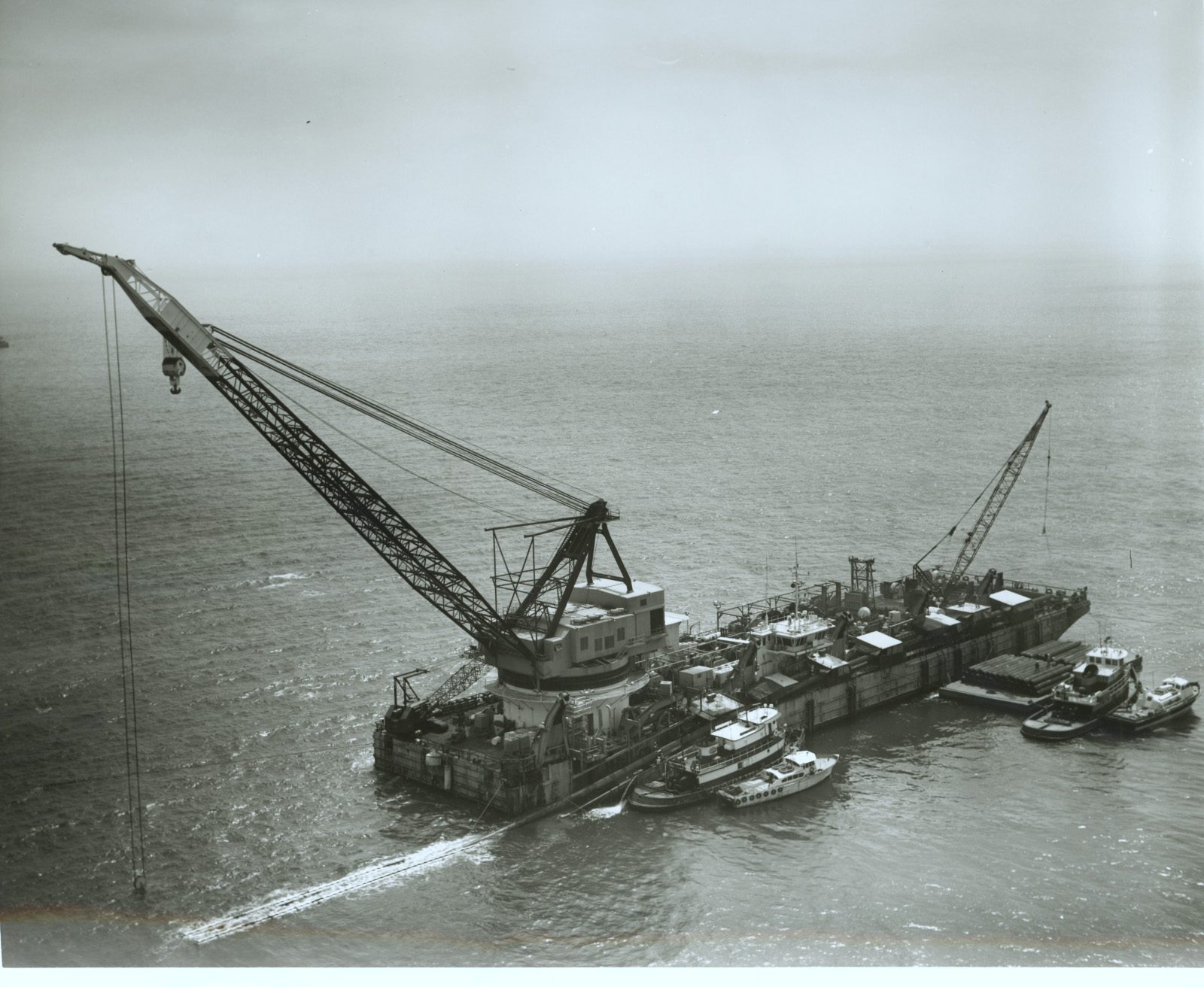
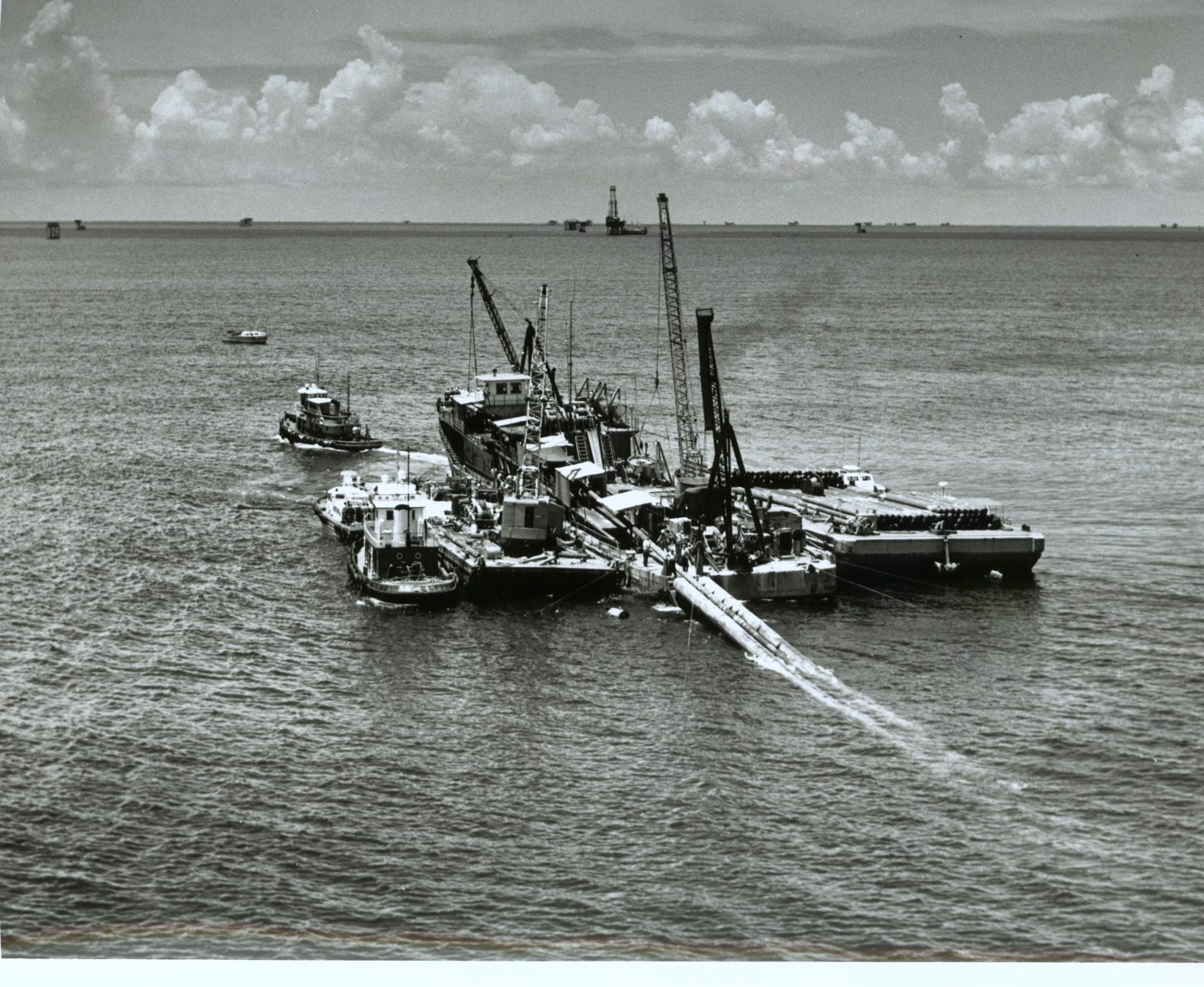
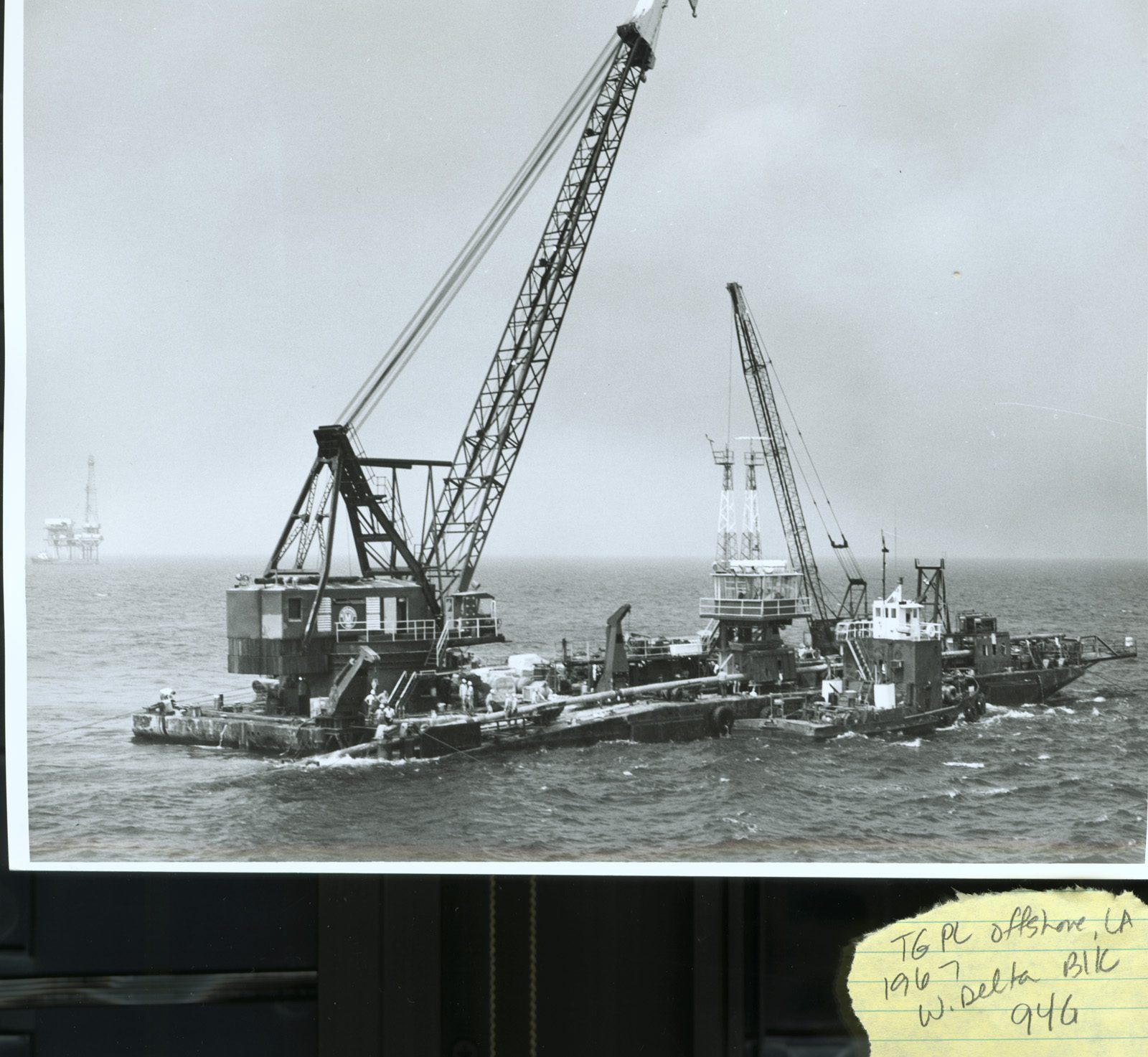
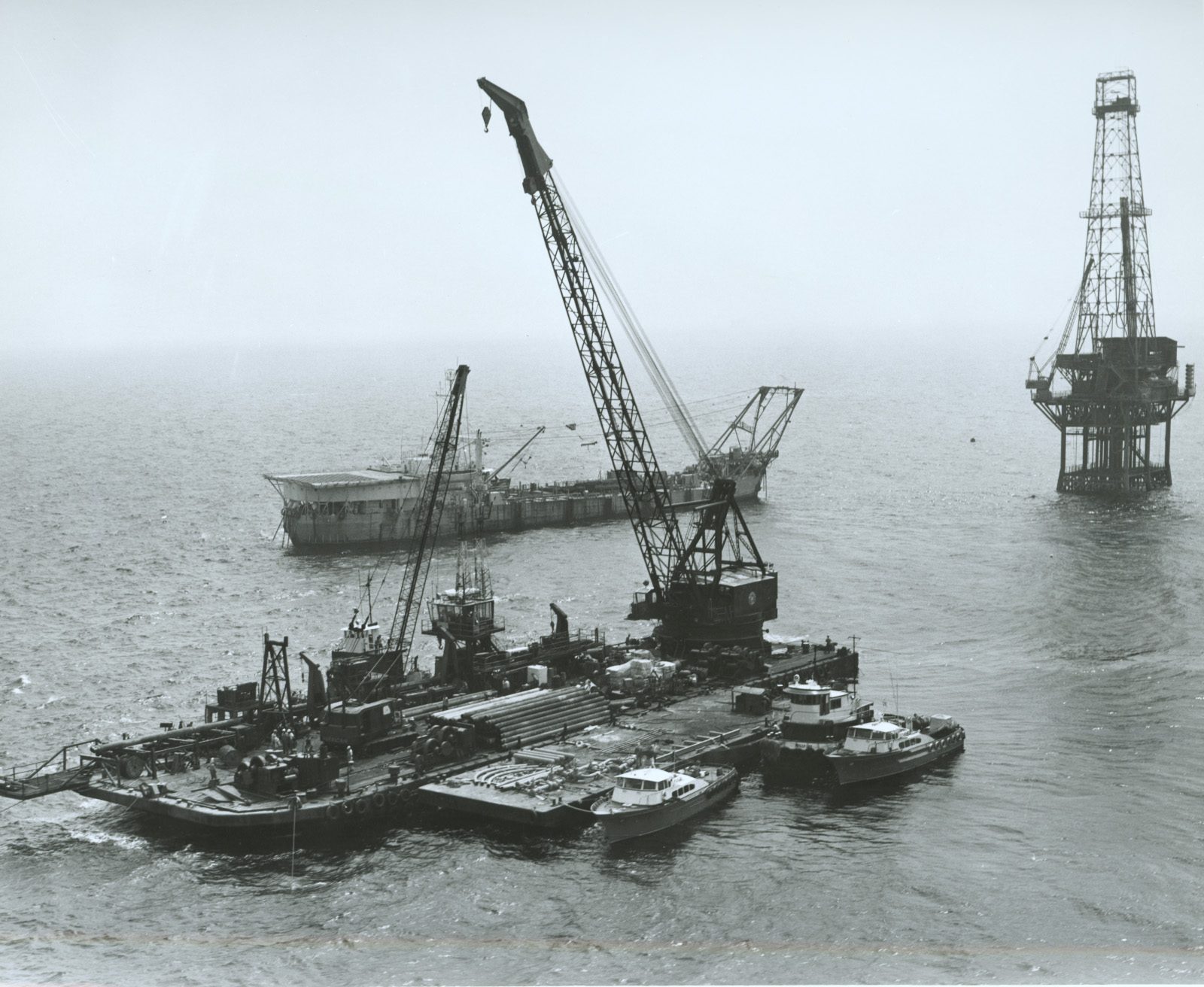
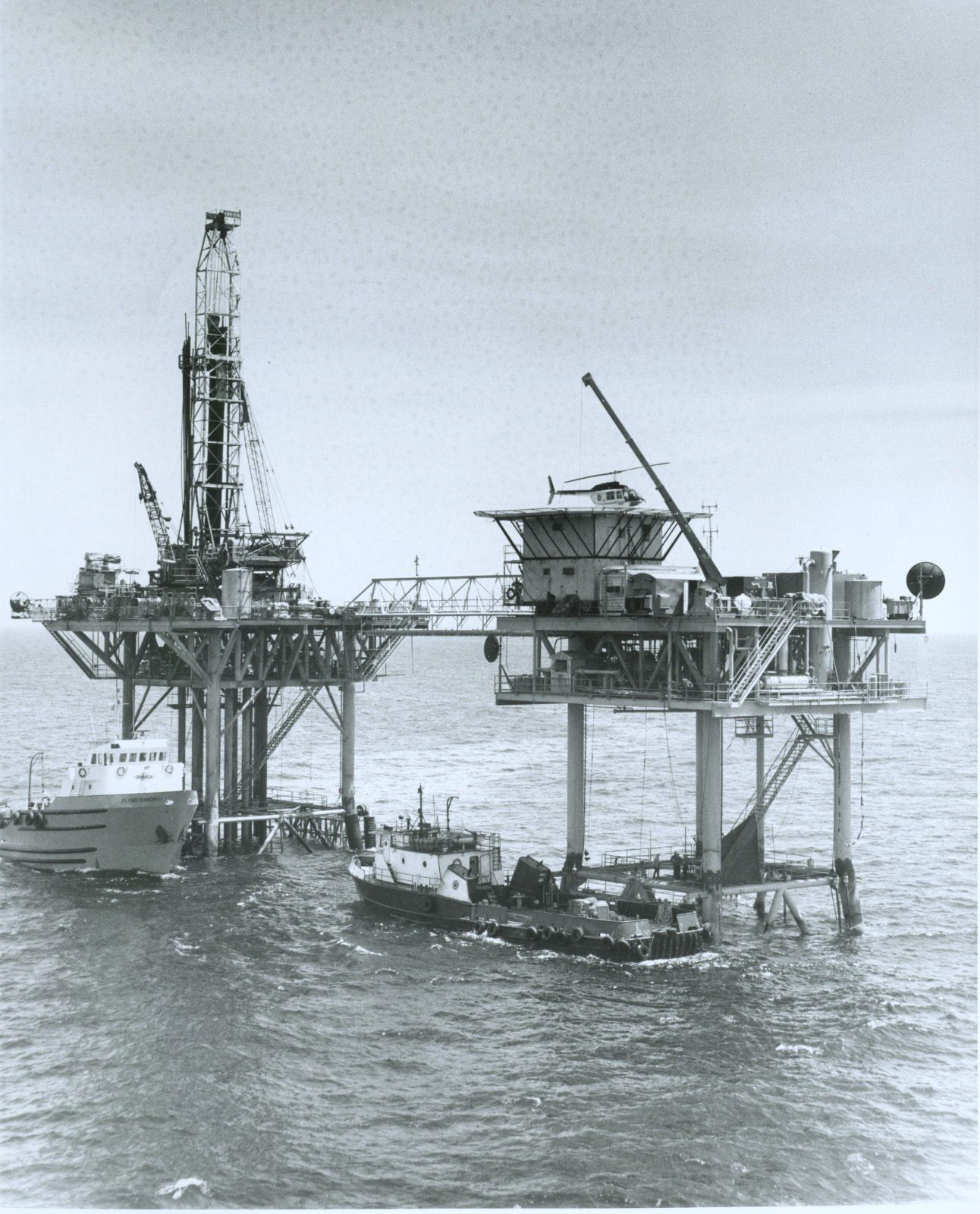
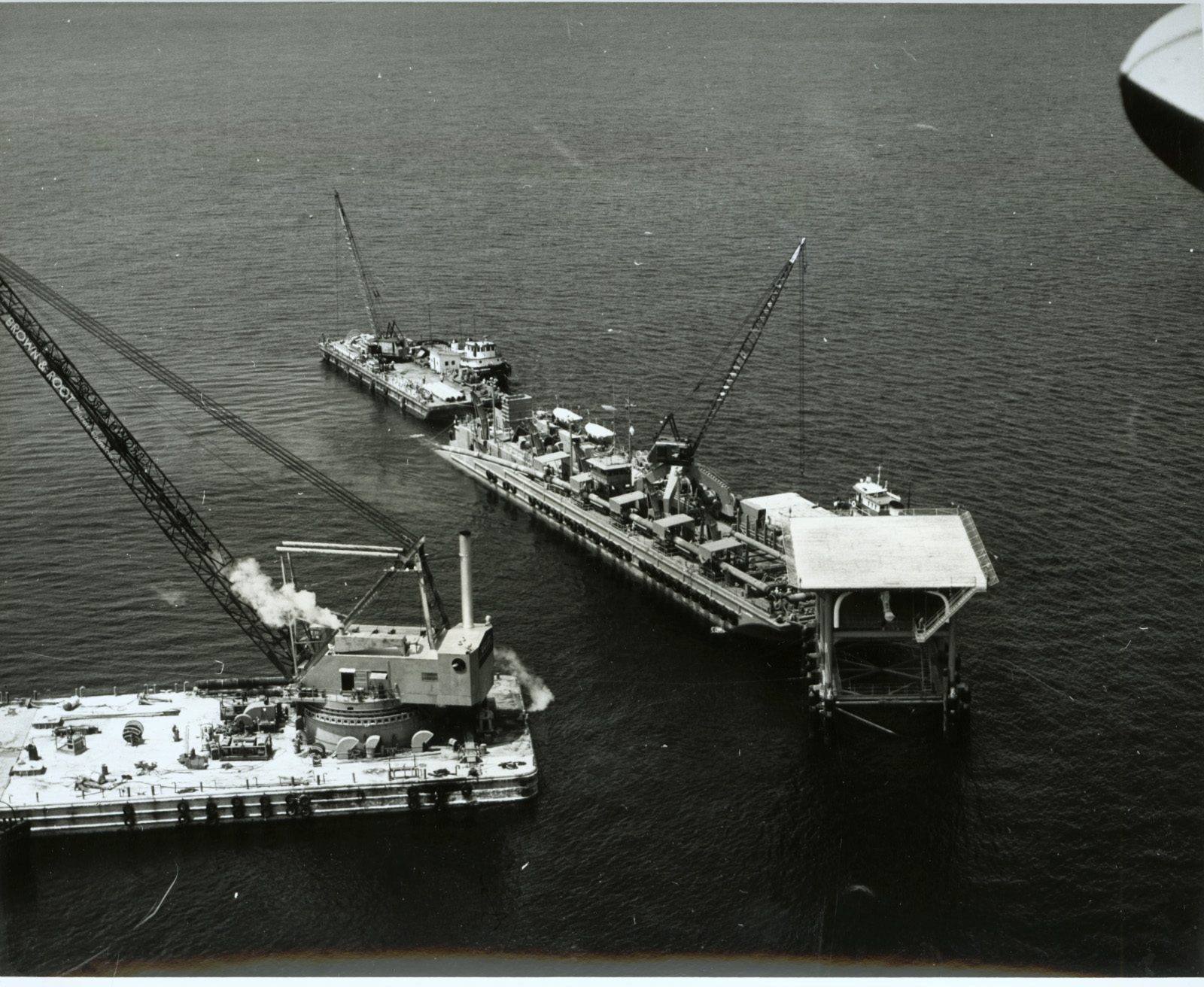
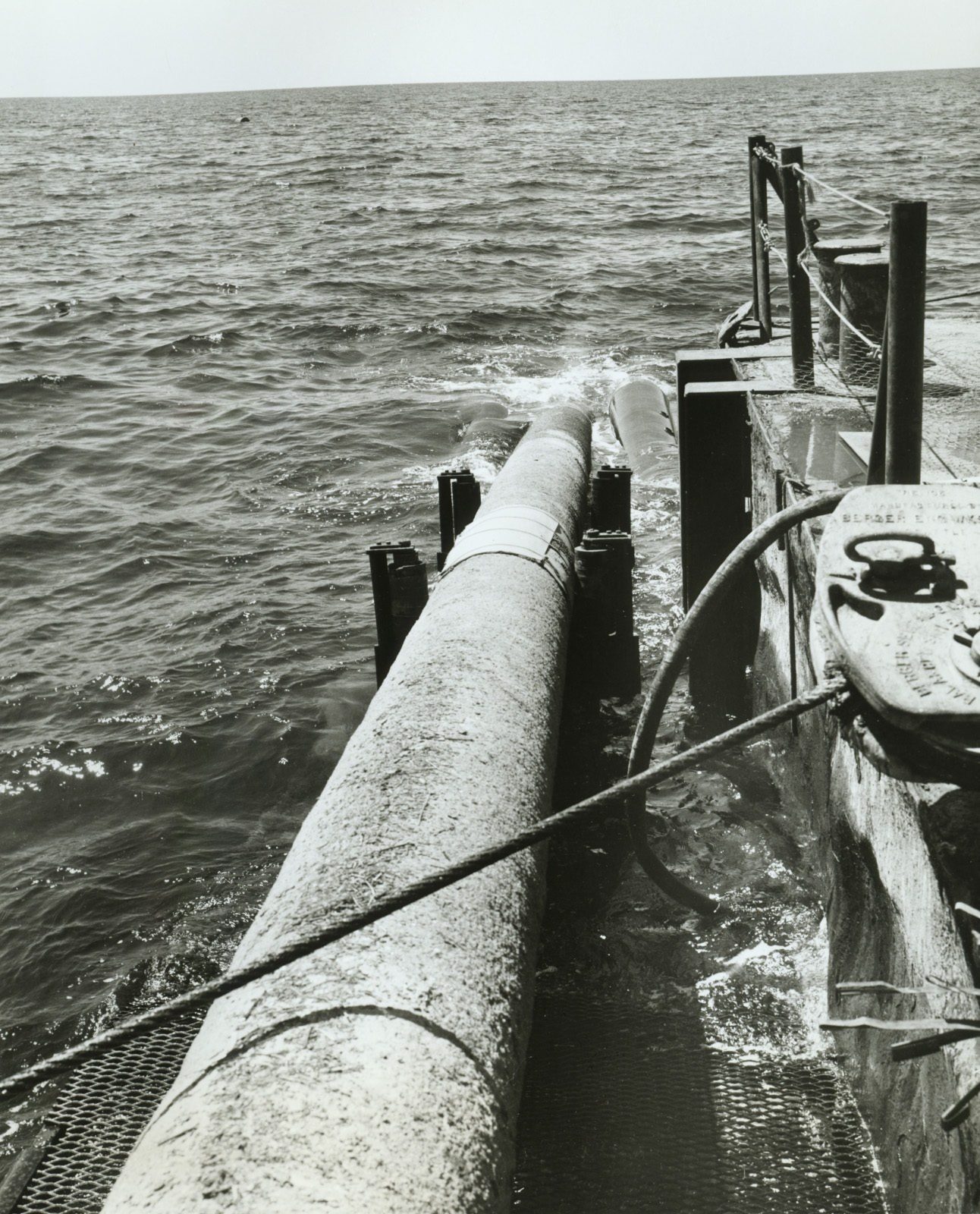
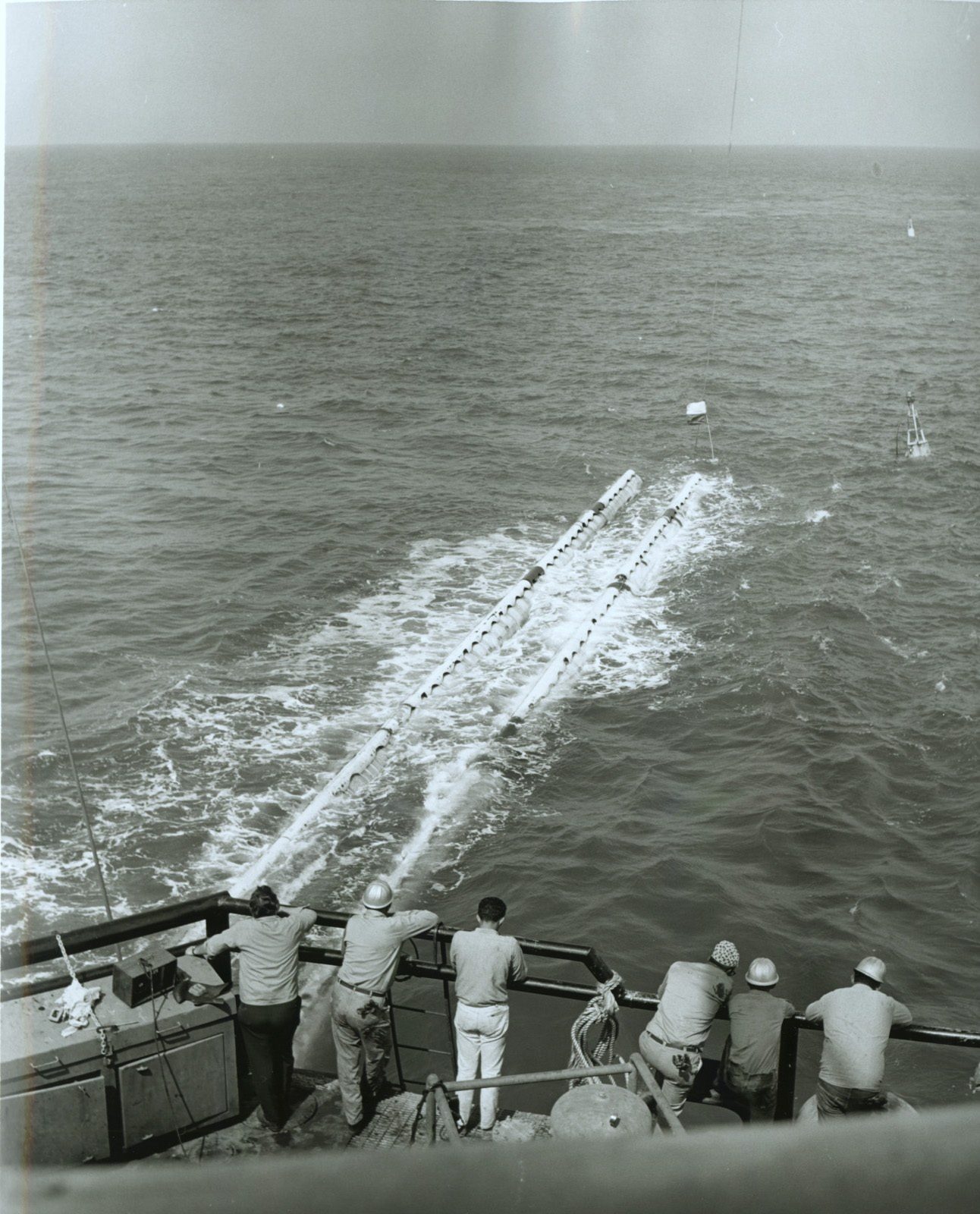
These rare images from the Tenneco/El Paso Corp. collection at Rice University’s Fondren Library capture the offshore industry during its formative years. Pipelay barges work alongside newly installed production platforms, offshore tenders, derrick barges, and support vessels as the Gulf’s Outer Continental Shelf emerged as one of the nation’s premier oil and gas producing basins in the 1960s and ’70s. The long, floating ramps, called “stingers,” extending from the rear of the lay barges guided and supported the continuous welded pipeline down hundreds of feet to the seafloor.
Long before the shale revolution and the construction of LNG export terminals along the Gulf Coast, much of the nation’s domestic natural gas supply flowed north from the Gulf. By the 1980s, interstate pipeline systems carried offshore gas to homes, industries, and power plants in cities such as New York and Boston, where it heated homes, cooked meals, and generated electricity.
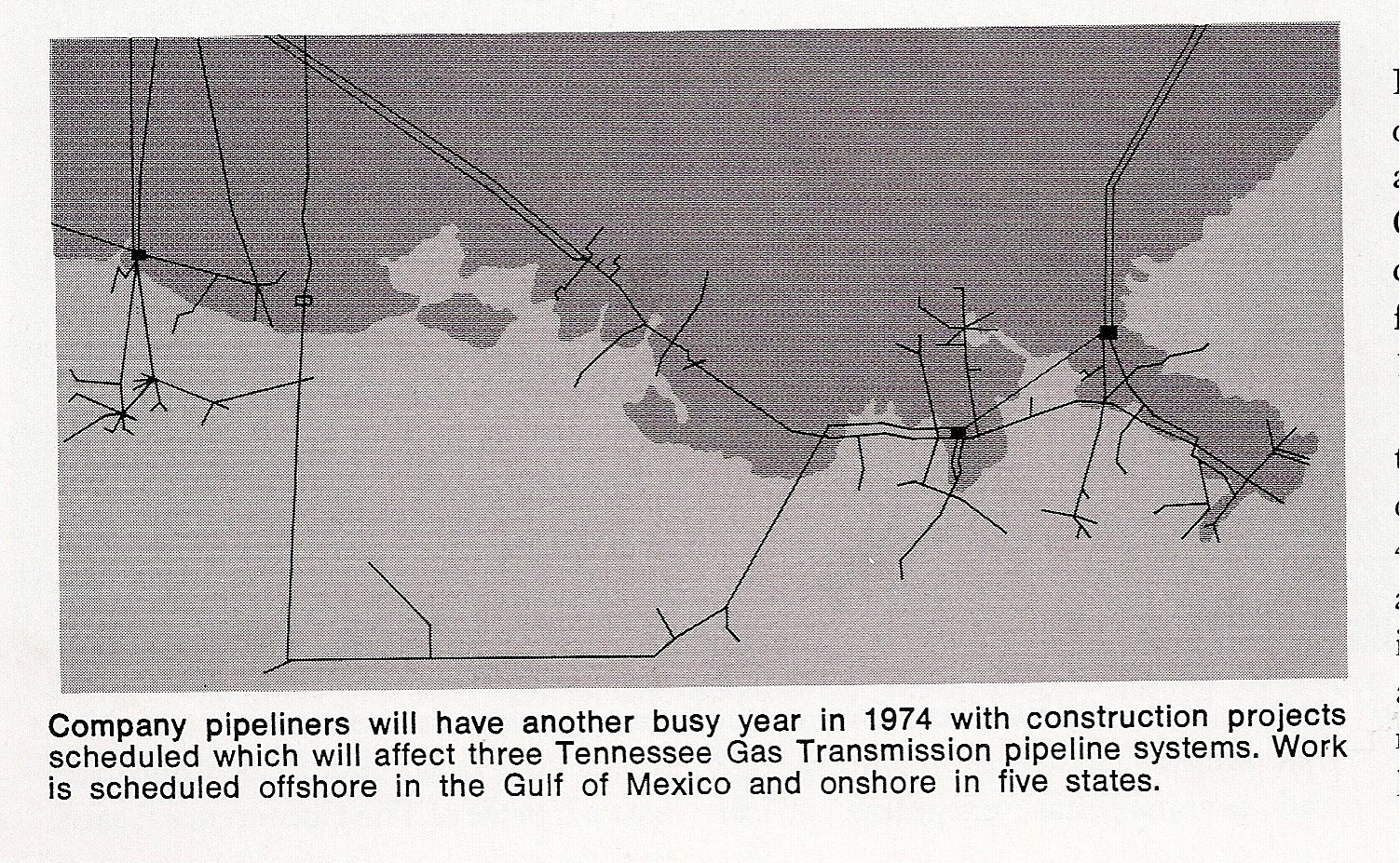
As offshore production expanded, so did the supporting onshore infrastructure. Existing pipeline canals in the marshes were enlarged, new corridors were dredged, and coastal Louisiana became the hub (i.e., “Henry Hub”) through which offshore natural gas entered the nation’s interstate pipeline network. By the late 1970s, a dense system of gathering lines, onshore compressor stations, and interstate trunklines connected producing fields in the Gulf to consumers more than a thousand miles away.
The Tennessee Gas-Columbia Gulf “Blue Water” project marked a major expansion of offshore natural gas gathering into the Outer Continental Shelf during the 1960s and 1970s.
Images
Learn more
- American Energy, Imperiled Coast (LSU Press, 2014)
- “Offshore at 60: Remembering the Blue Water Project”, Offshore magazine (2014)
- The Men Who Built the Tennessee Gas “Muskrat” Line (Snapshots No. 6)
Need historical research on Louisiana’s coast?
Dr. Jason P. Theriot is a Houston historian who has spent 20 years researching Louisiana’s Working Coast: its oil and gas industry, pipelines, navigation channels, and coastal restoration. He provides archival research, historical chronologies, photo research, and written histories for law firms, companies, agencies, and organizations.
Litigation support · Research and writing services · Contact Jason or call (713) 417-3380