The Men Who Built the Tennessee Gas ‘Muskrat’ Line
Snapshots of a Working Coast, No. 6
In 1955, Tennessee Gas Pipeline Co. embarked on one of the most ambitious construction projects ever attempted in coastal Louisiana.
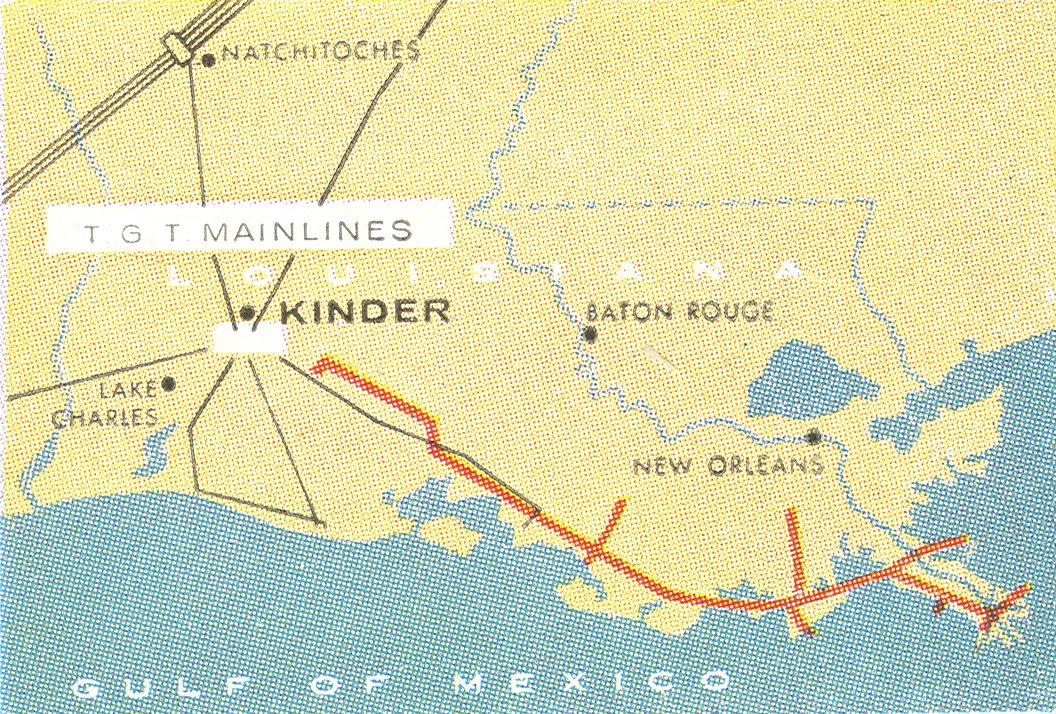
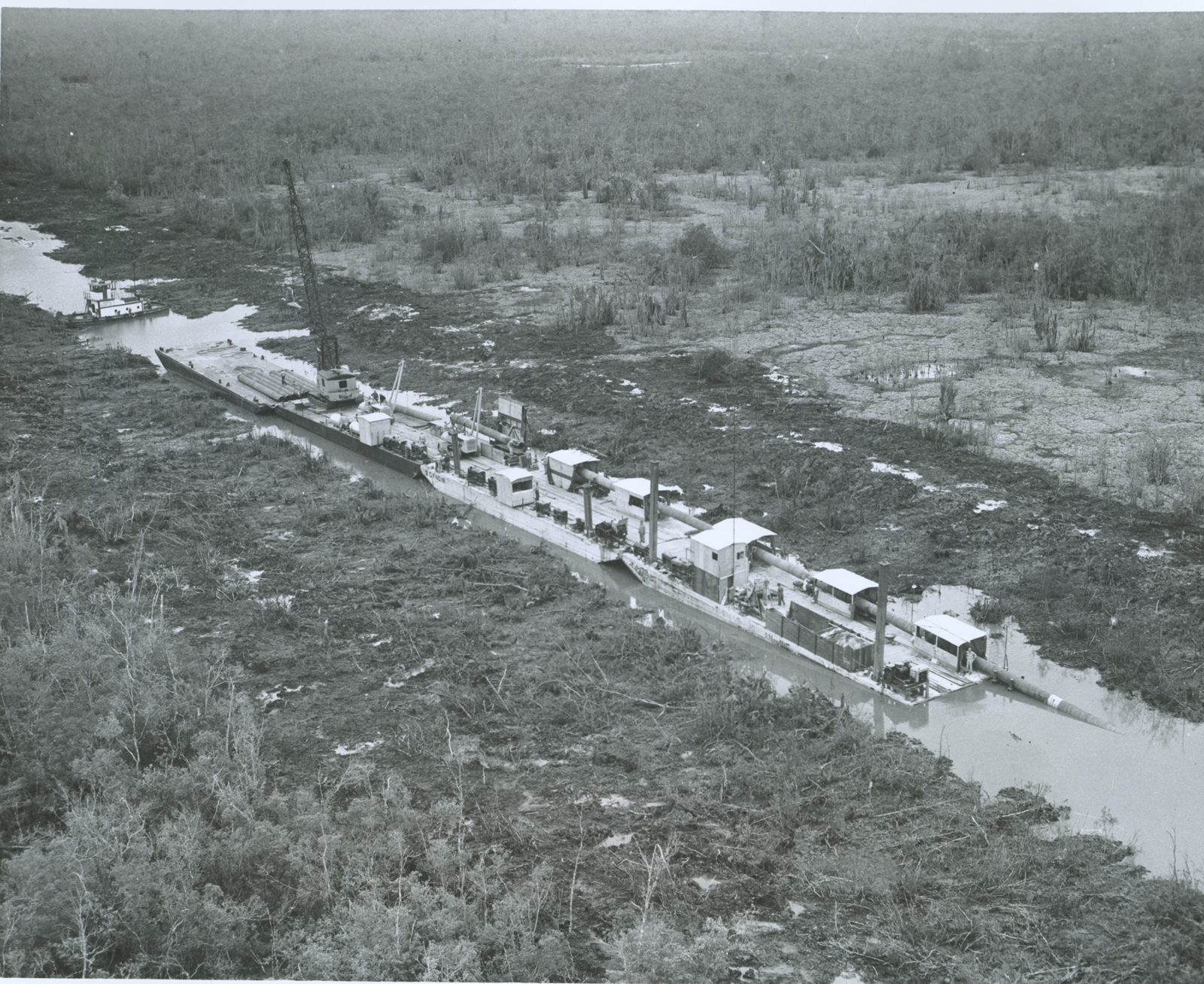
Known to its builders as the “Muskrat Line,” the 355-mile natural gas gathering system stretched across the marshes, swamps, and shallow bays of south Louisiana. Its purpose was simple: connect the vast natural gas reserves being discovered along the Gulf Coast and offshore Louisiana to consumers across the eastern United States. Building this first-of-its-kind system was anything but simple.
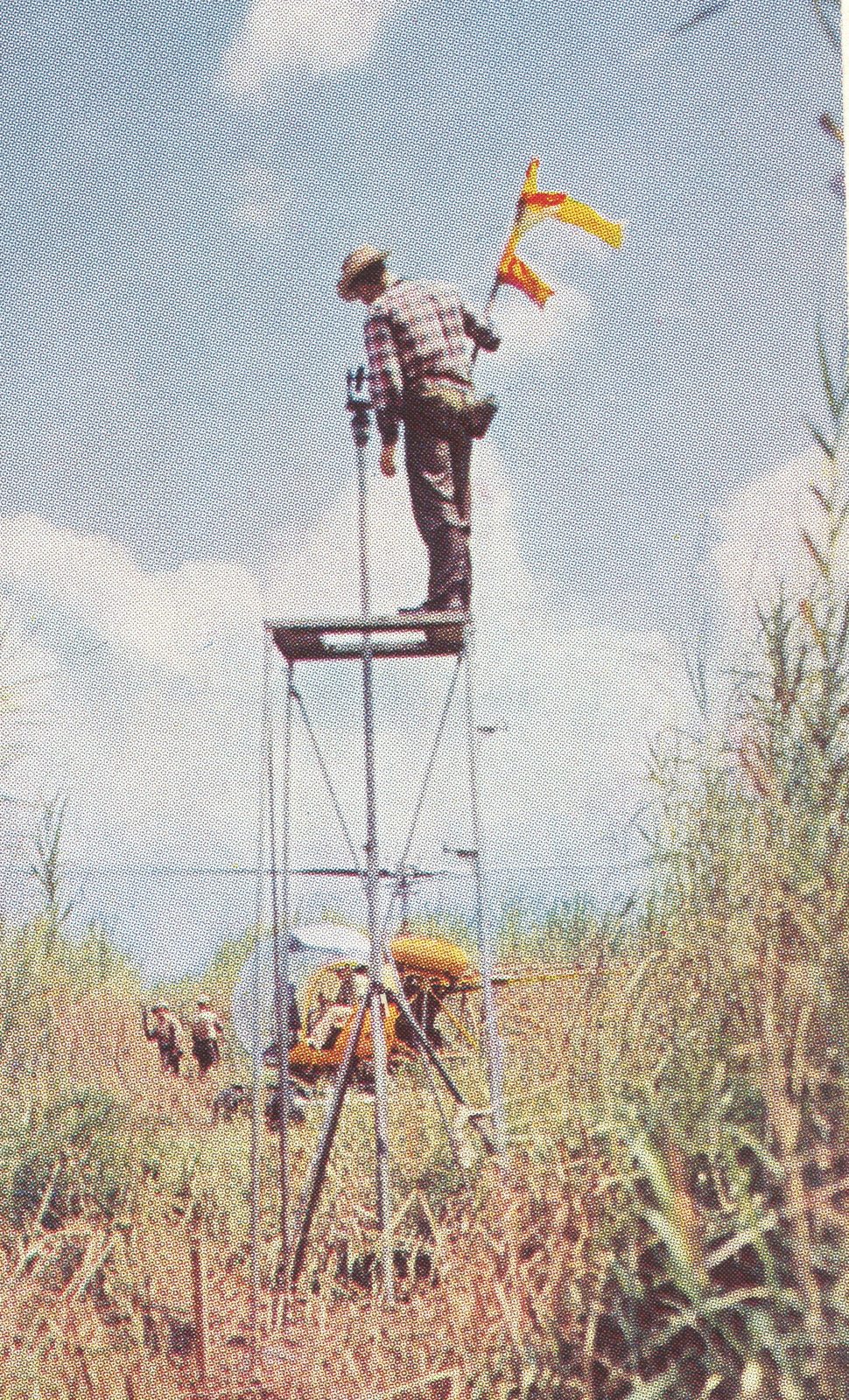
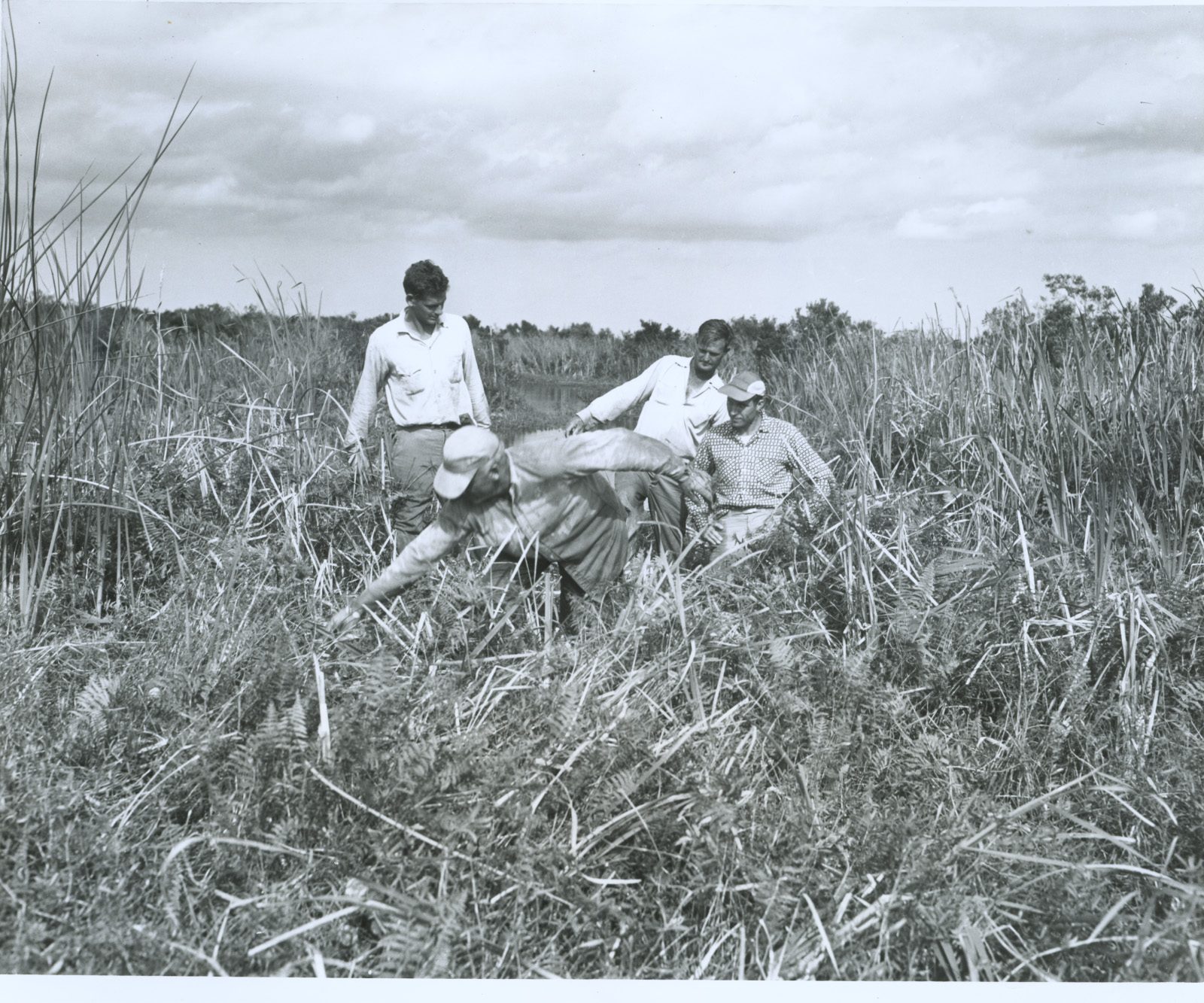
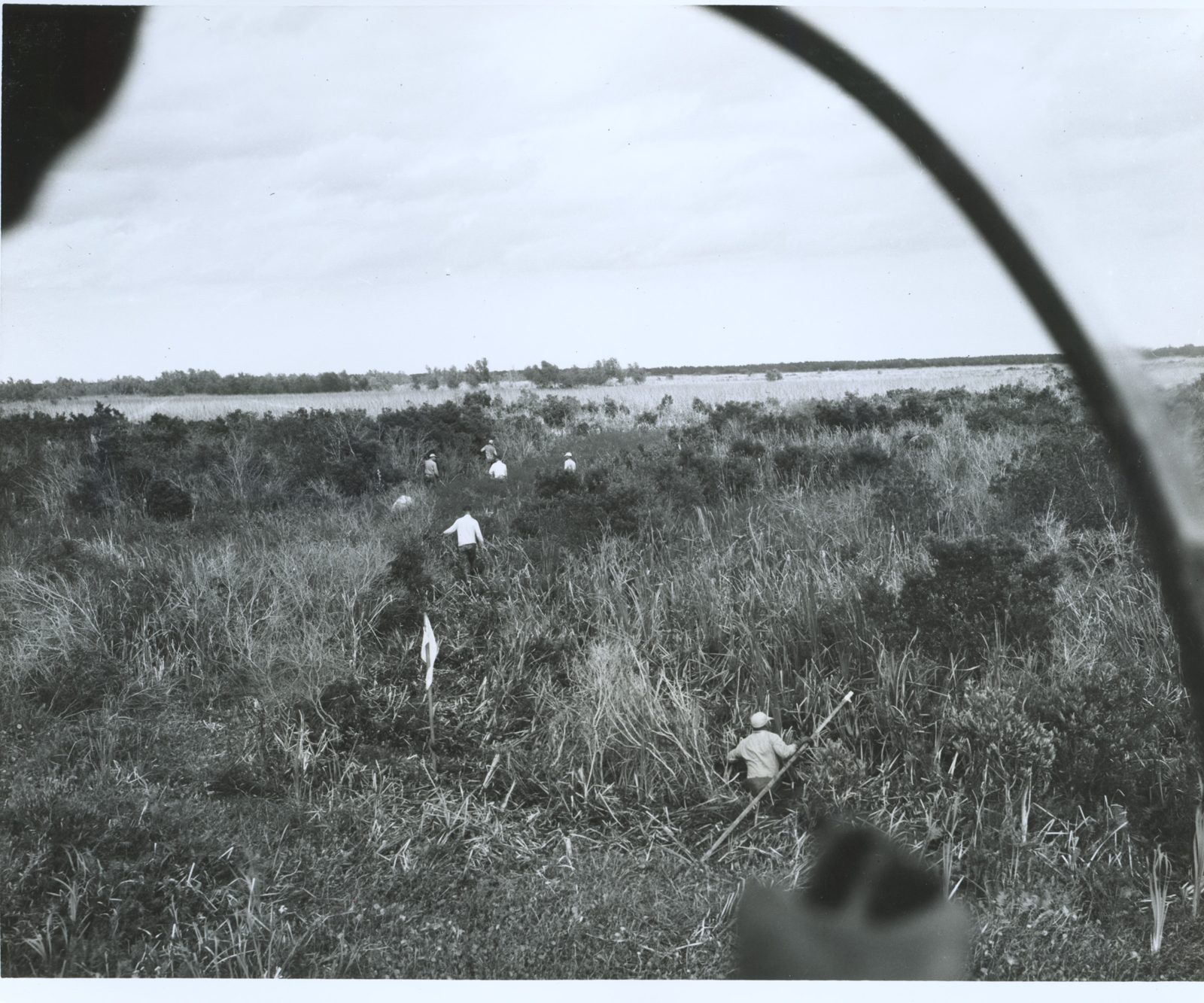
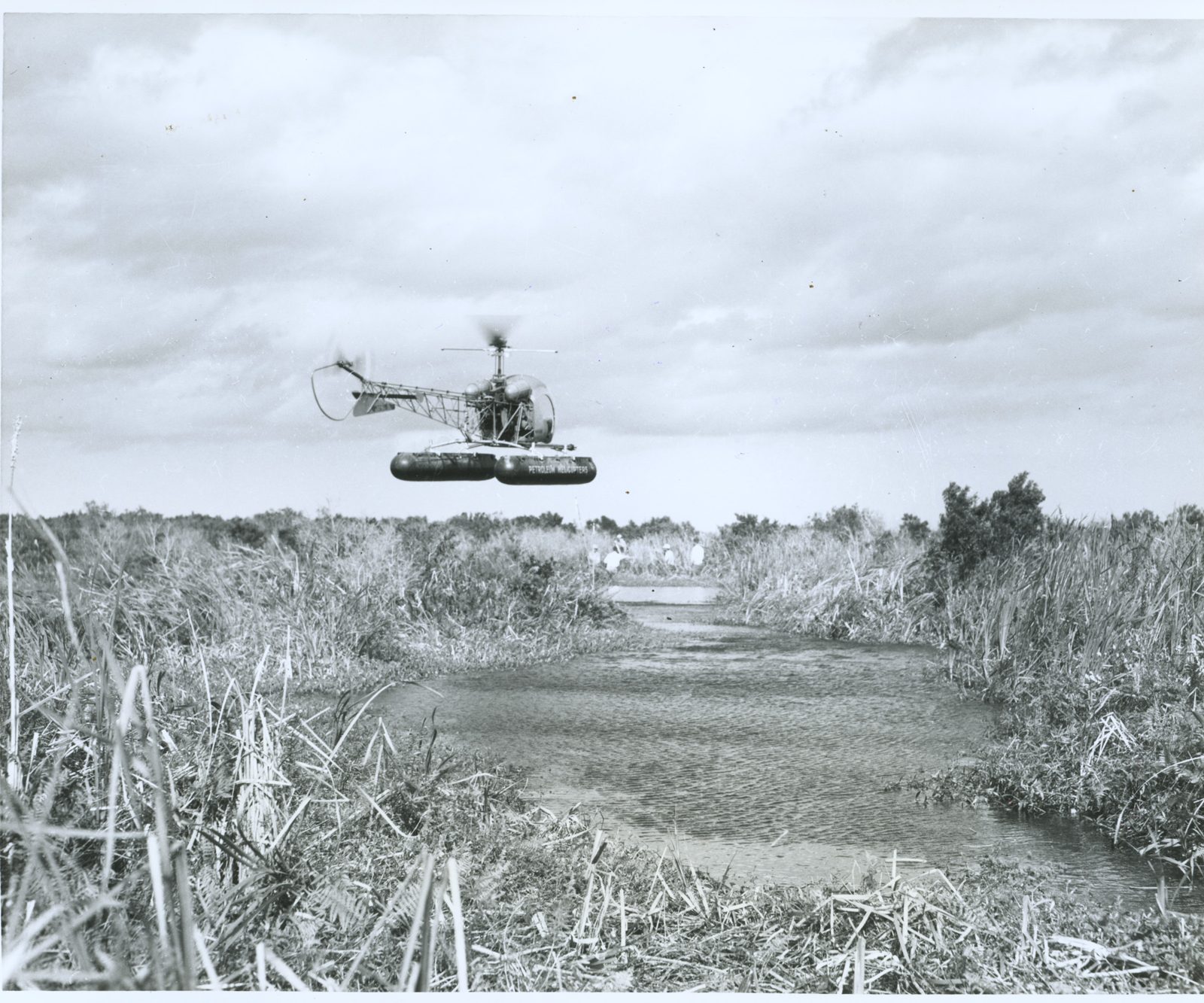
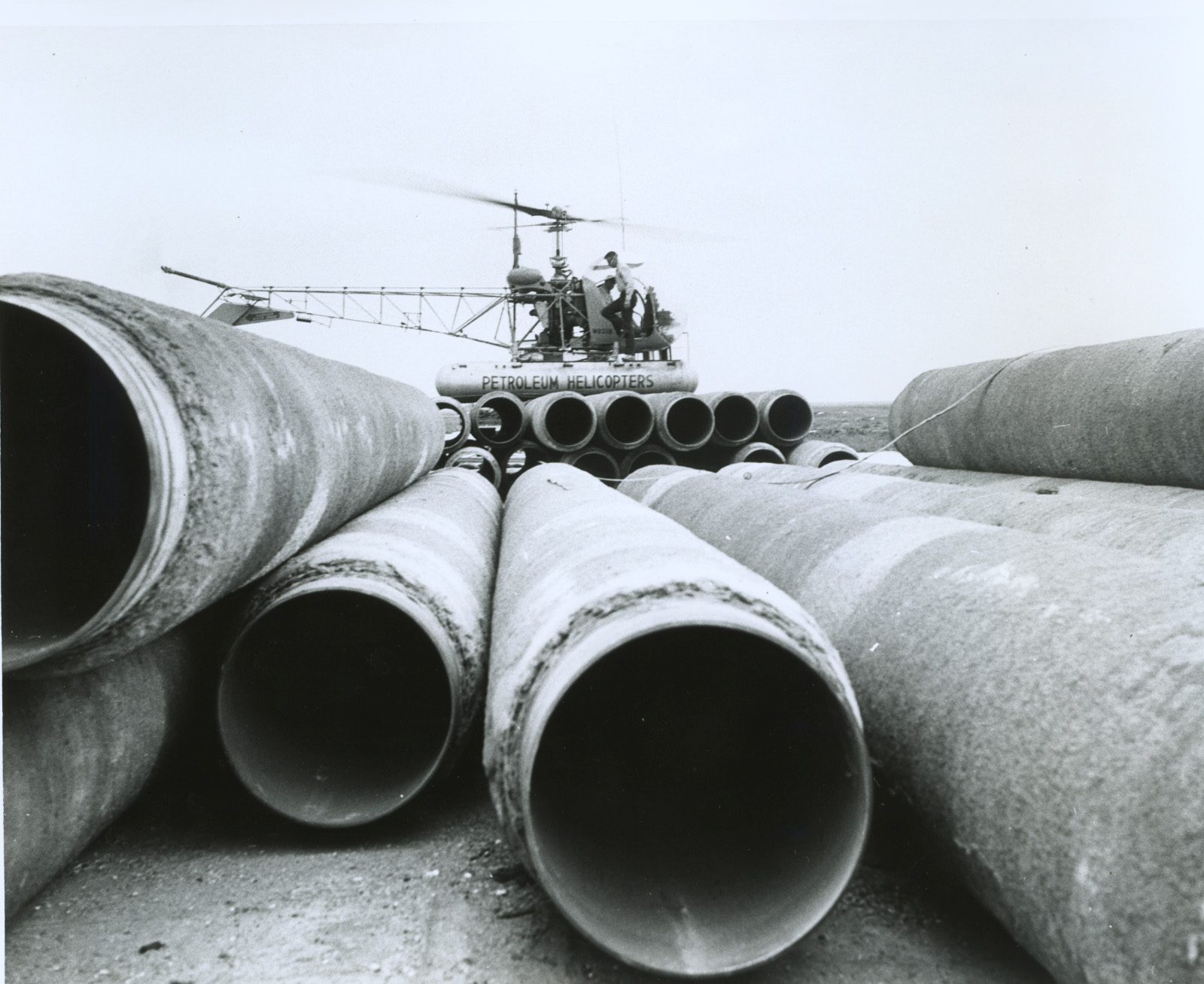
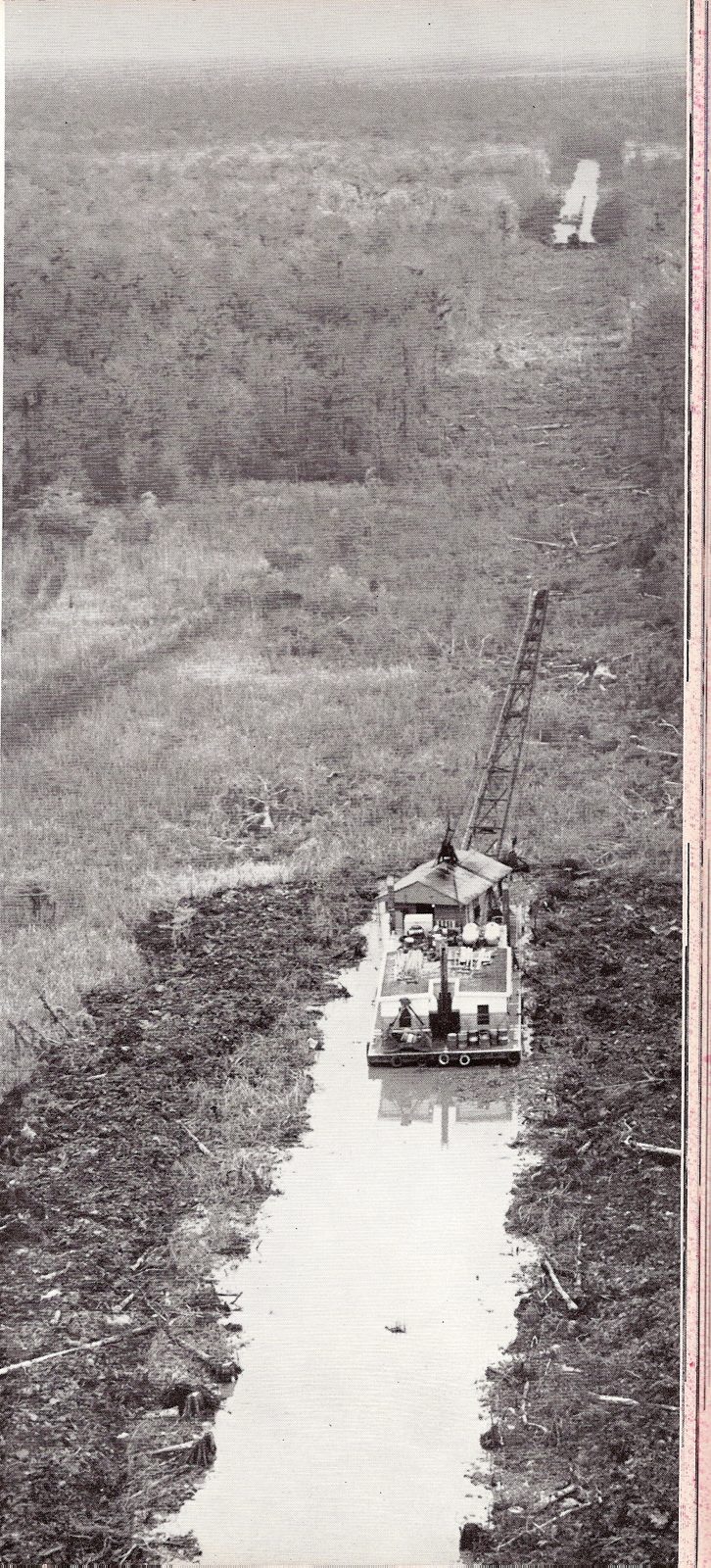
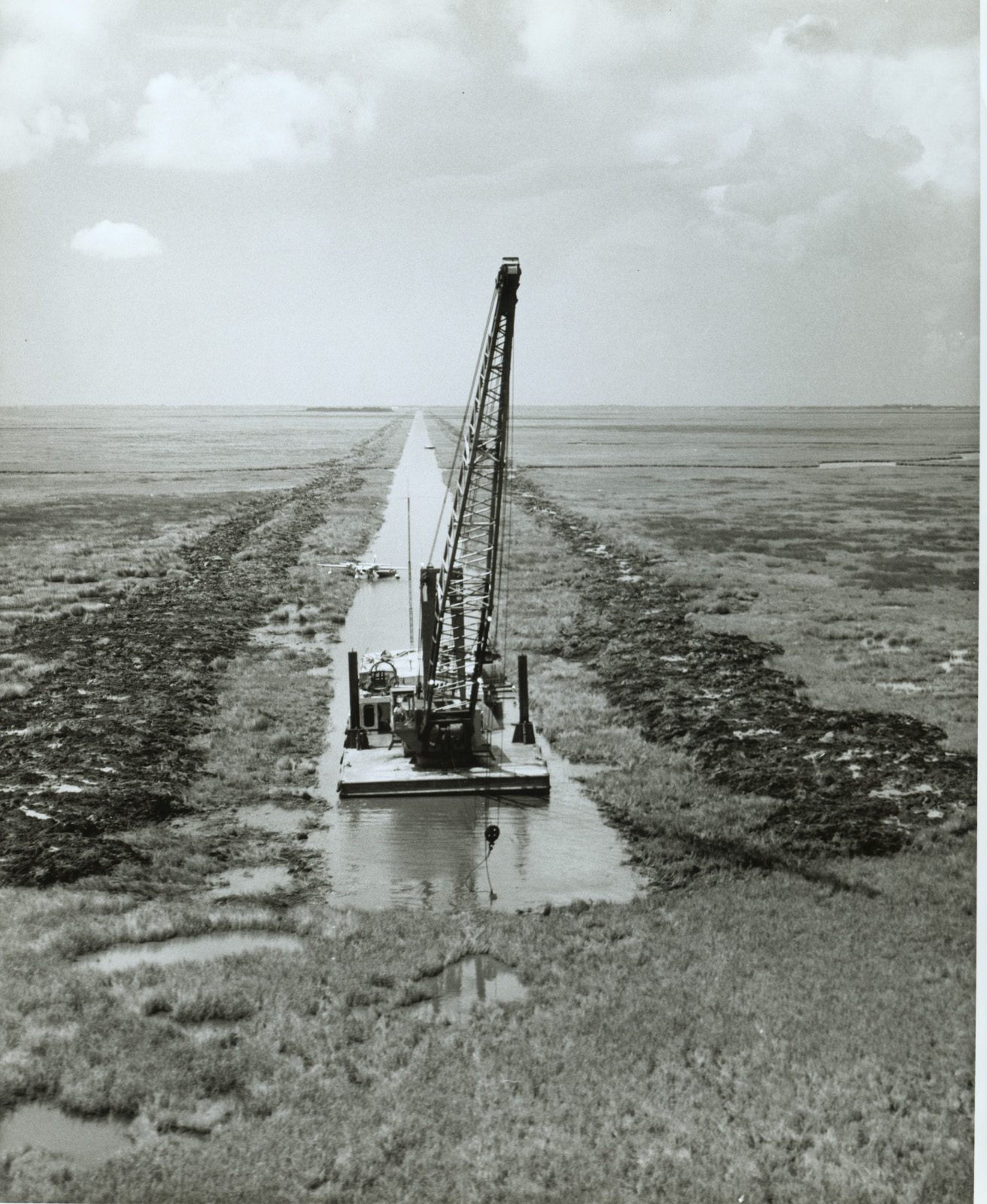
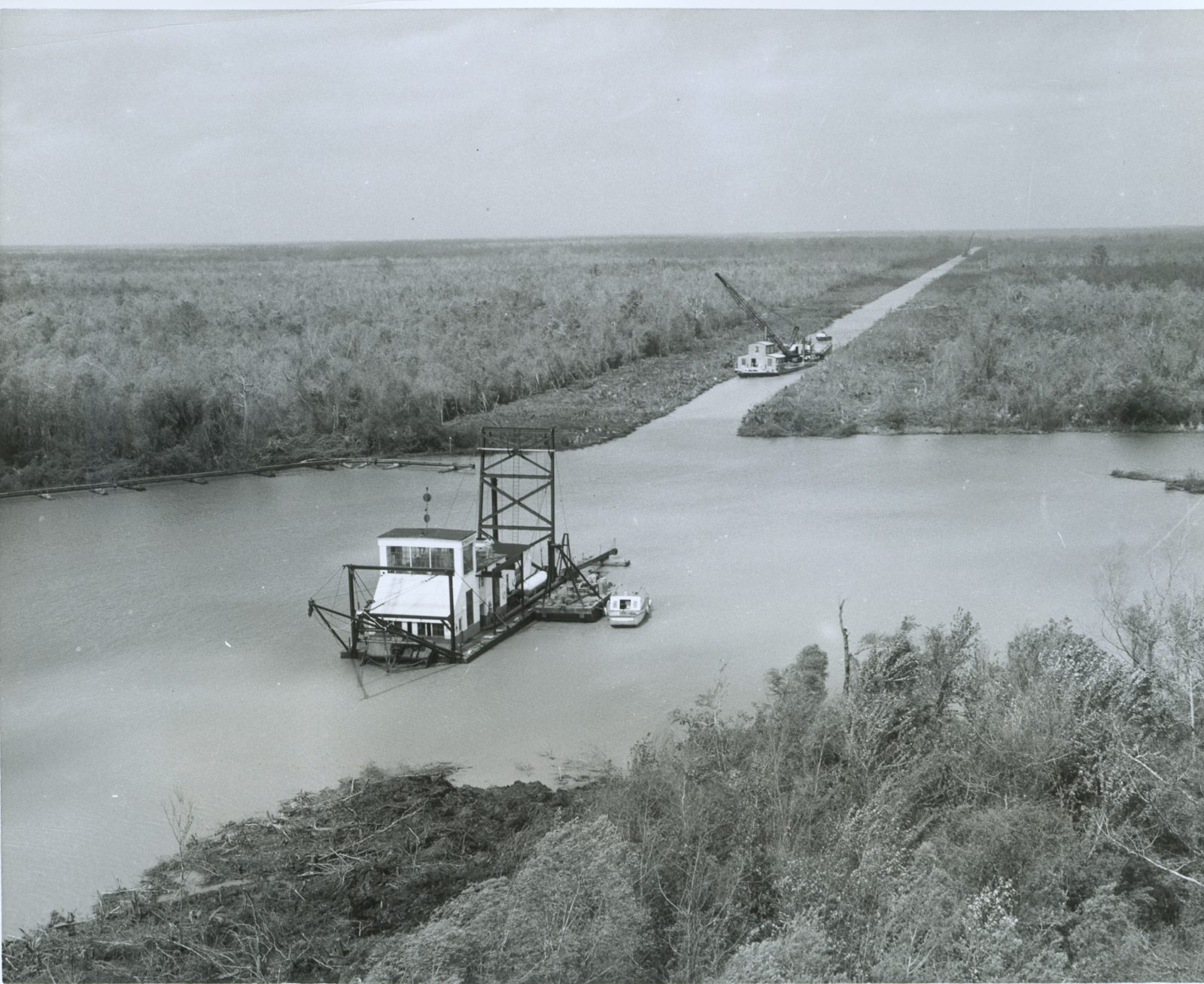
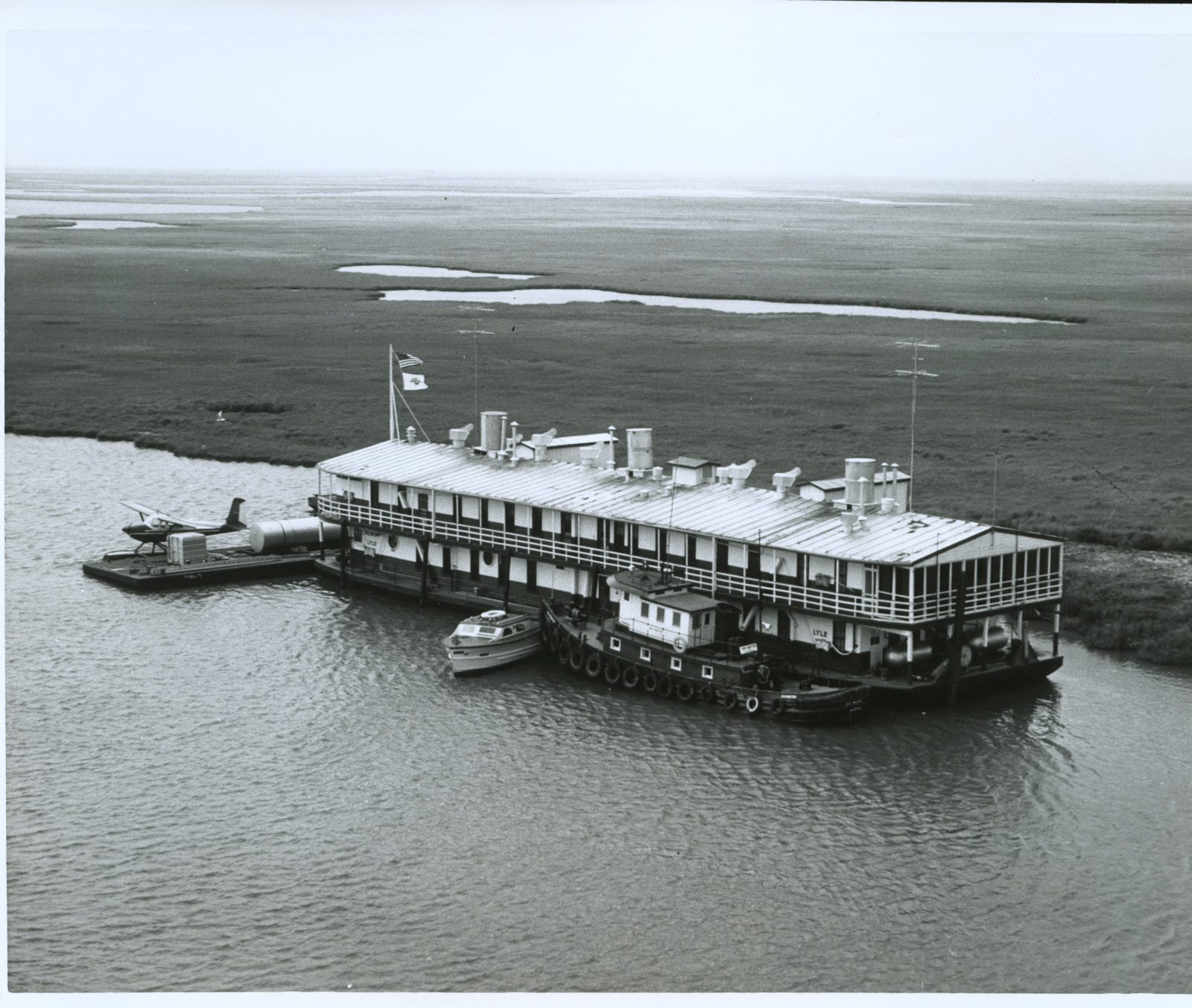
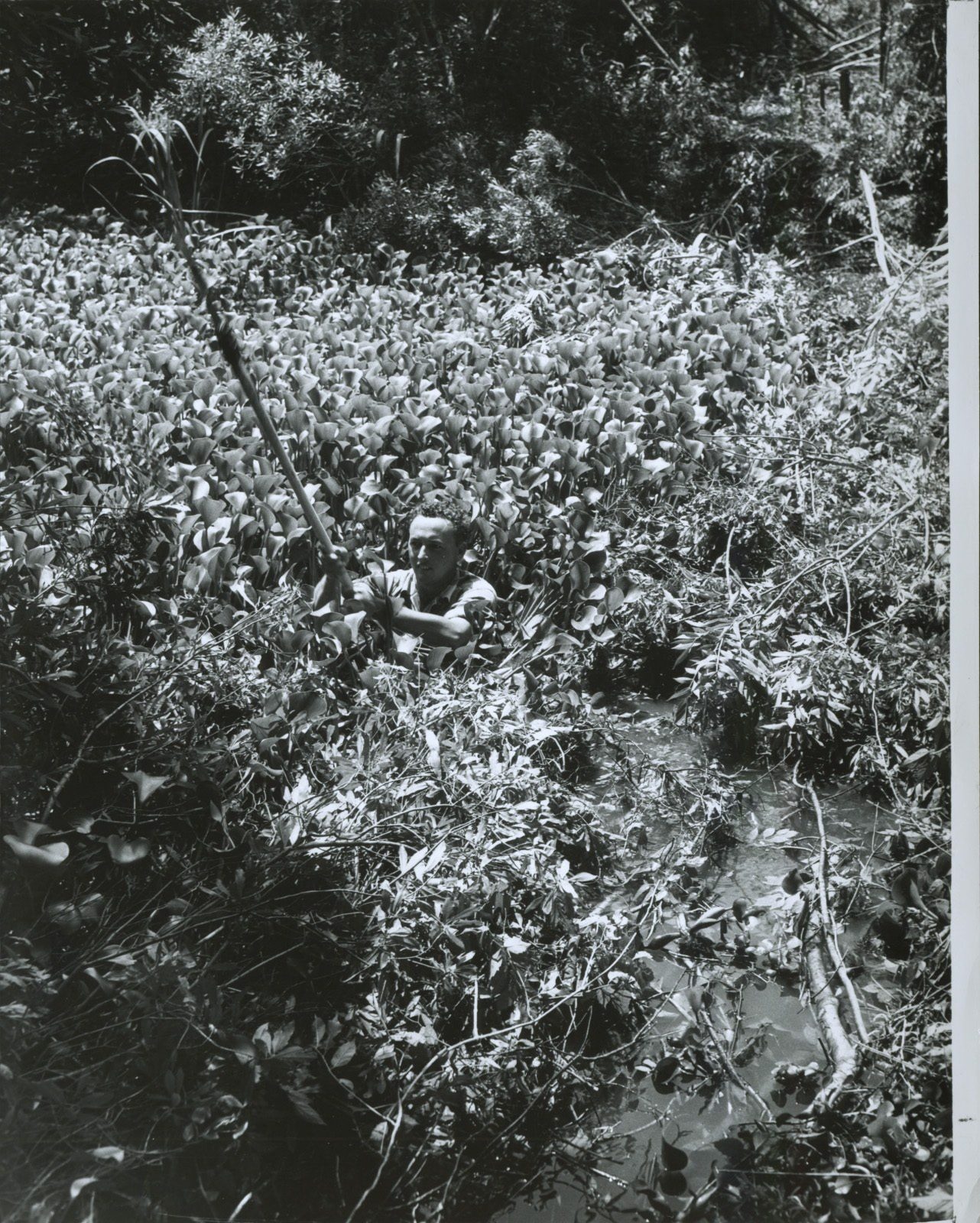
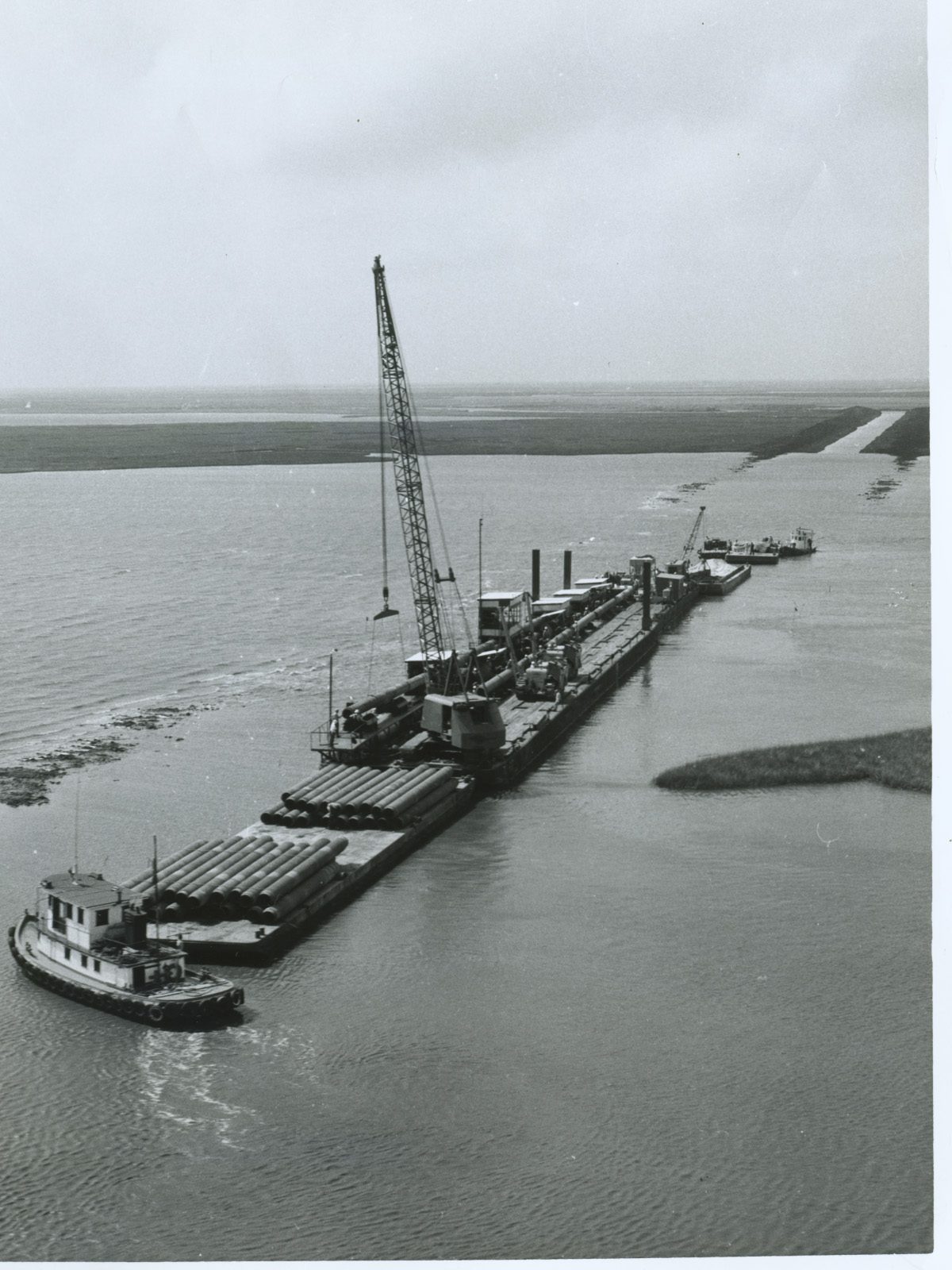
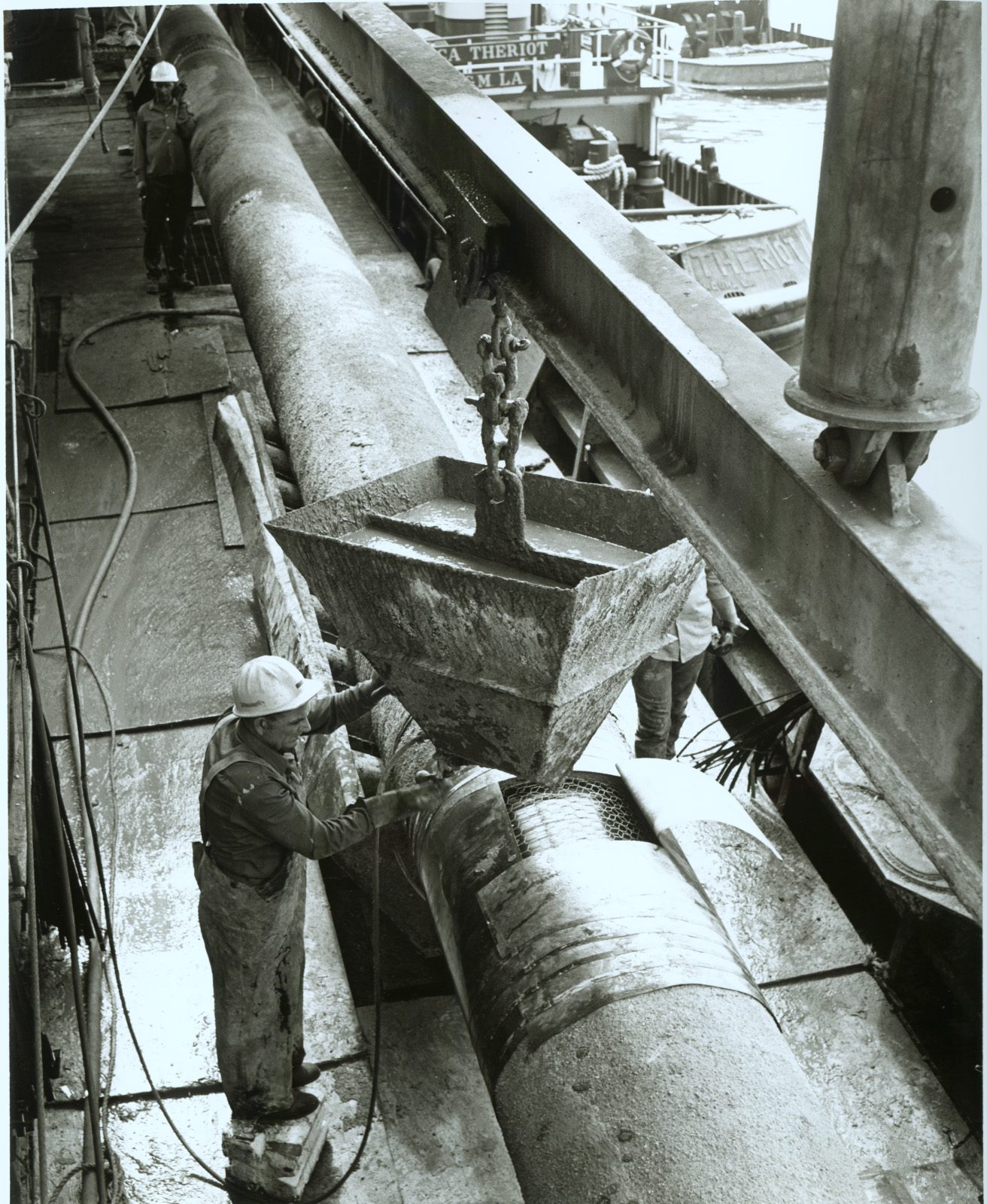
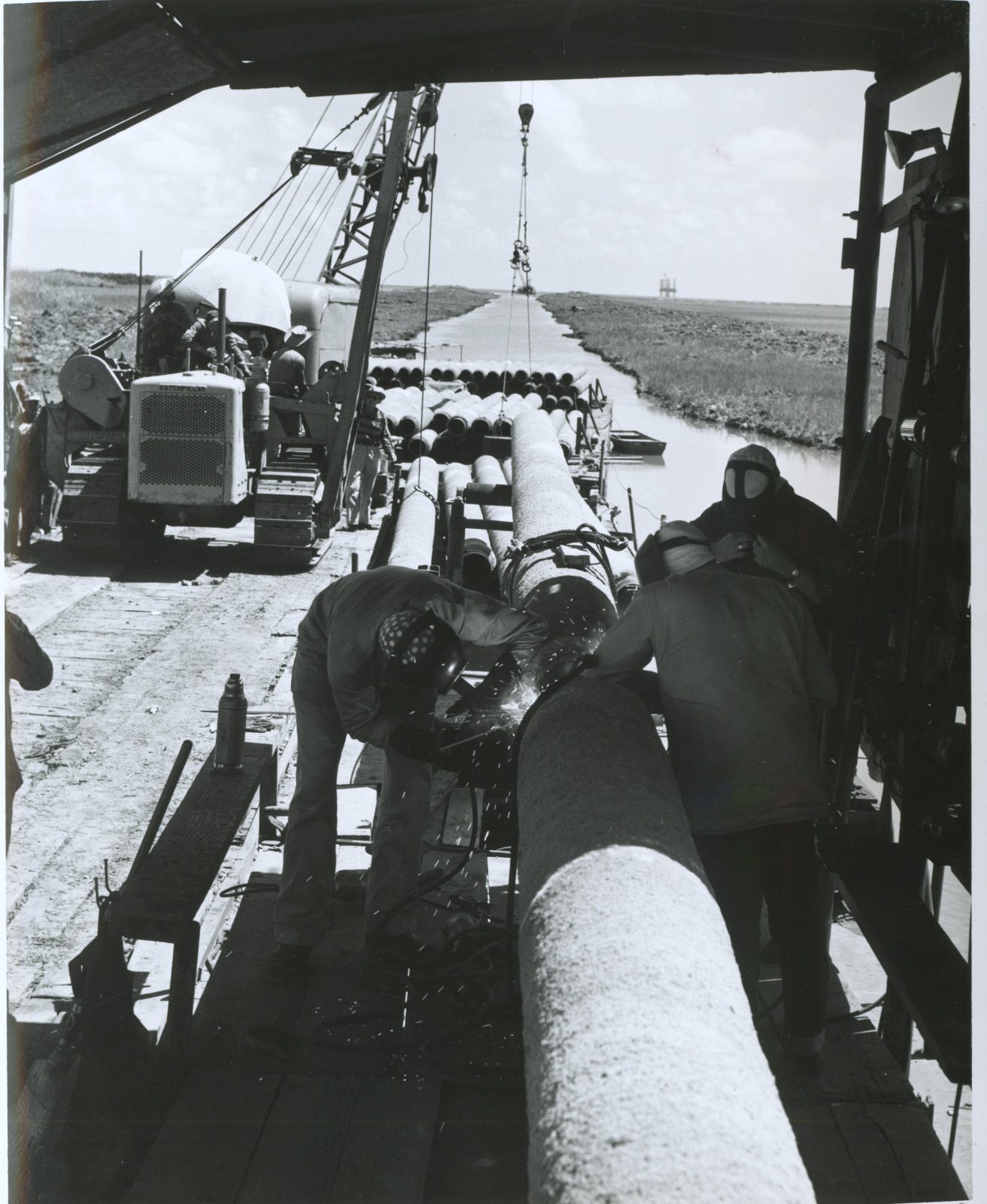
The men who built the Muskrat Line entered a landscape with few roads, few people, and numerous engineering obstacles. Survey crews moved through thick Roseau cane, floating marshes, and bayous using helicopters, boats, and muddy boots. Pipeline contractors developed specialized lay barges, flotation canals, and “push-ditch” methods to lay this continuous concrete-coated pipeline from one half of the coast to the other.
Among those pioneers were Dailey Berard, Bill Hancock, O.O. Jones, B.B. McCurdy, and Charlie Rhodes, young engineers whose oral histories I recorded decades later while researching the history of energy development in Louisiana’s wetlands for what became the book American Energy, Imperiled Coast (LSU Press 2014). They became the vanguard of a generation of pipeliners whose innovations transformed the Gulf Coast into an energy transportation network: “a working coast.”
The Muskrat Line became a proving ground for techniques and equipment that evolved into industry standards for pipeline operations in a marine environment. It was the first of many such pipeline systems built along the coast that allowed for the expansion of exploration and production into the offshore Gulf of Mexico from the 1950s to the 1980s. The pipeline canal networks pioneered during the postwar era made energy development possible, but decades later scientists and resource managers determined that thousands of miles of dredged canals contributed to wetland loss.
These images originated in private collections and from the Tenneco/El Paso Corp. Collection housed at Rice University.
Images
Learn more
- Jason Theriot’s article on the Muskrat Line
- American Energy, Imperiled Coast (LSU Press, 2014)
Need historical research on Louisiana’s coast?
Dr. Jason P. Theriot is a Houston historian who has spent 20 years researching Louisiana’s Working Coast: its oil and gas industry, pipelines, navigation channels, and coastal restoration. He provides archival research, historical chronologies, photo research, and written histories for law firms, companies, agencies, and organizations.
Litigation support · Research and writing services · Contact Jason or call (713) 417-3380