Freshwater Bayou Channel: Dredging a Waterway Through a Working Marsh
Snapshots of a Working Coast, No. 8
Part 1 of a 3-part series on Louisiana’s coastal navigation channels.
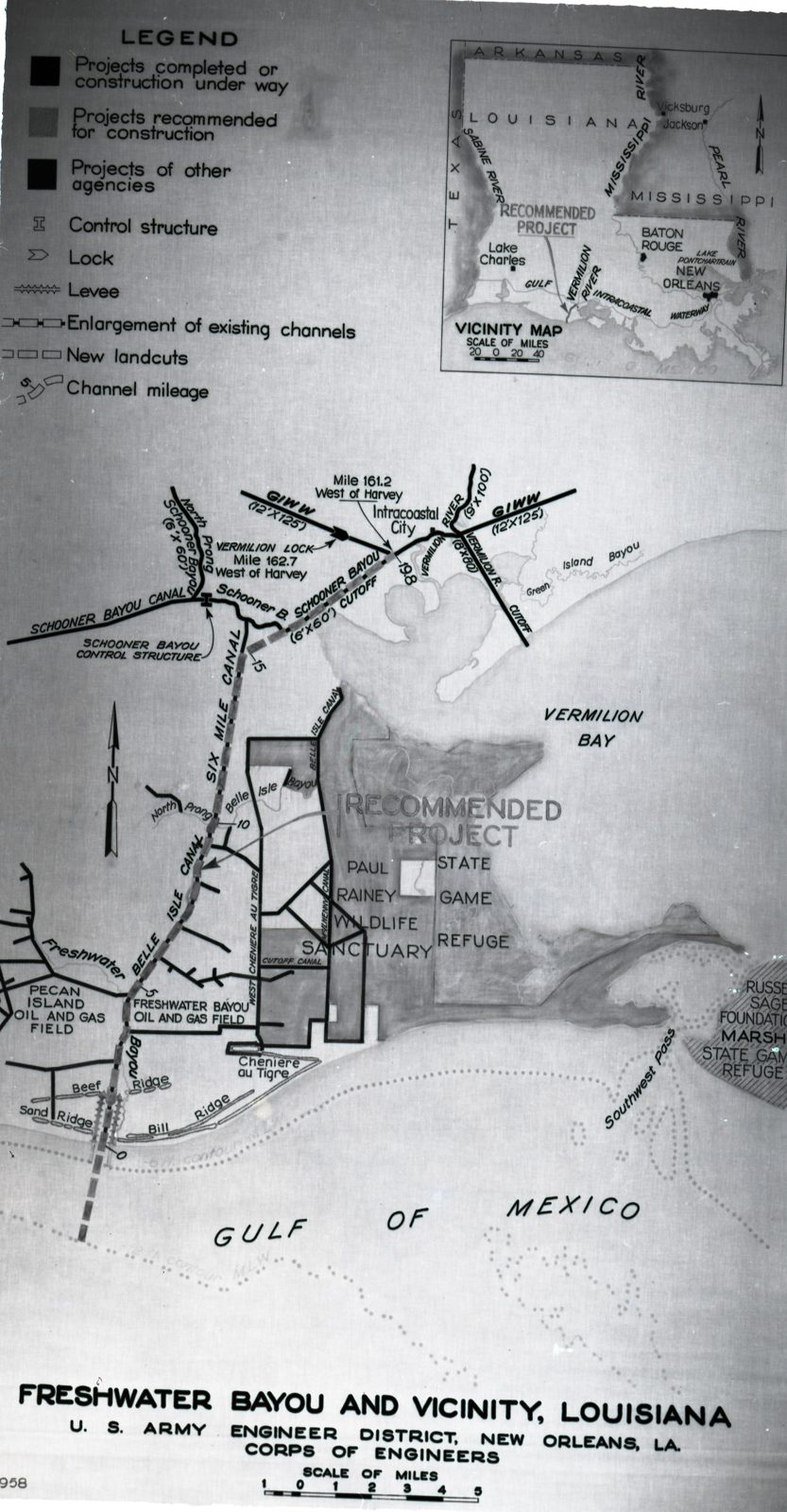
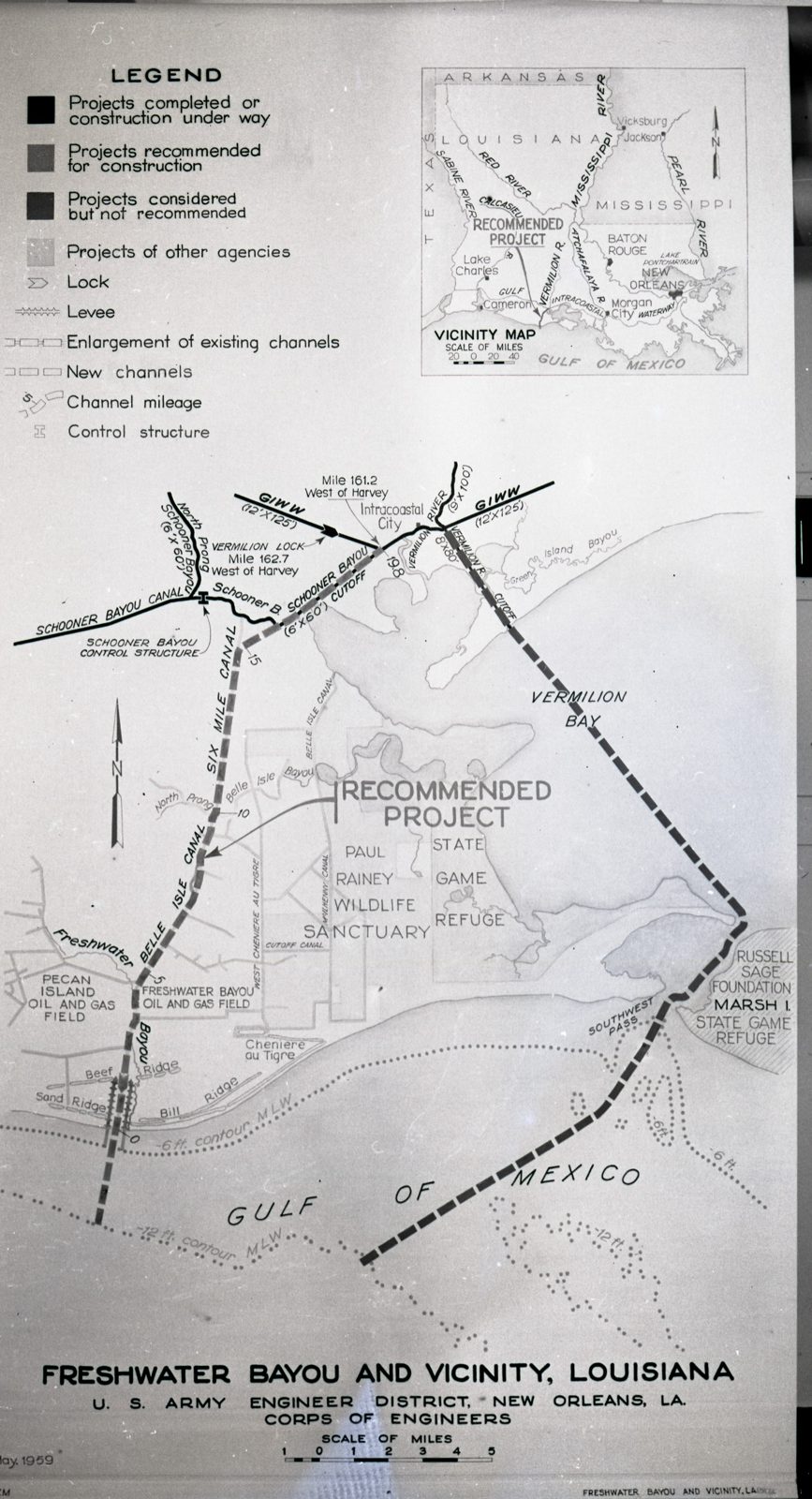
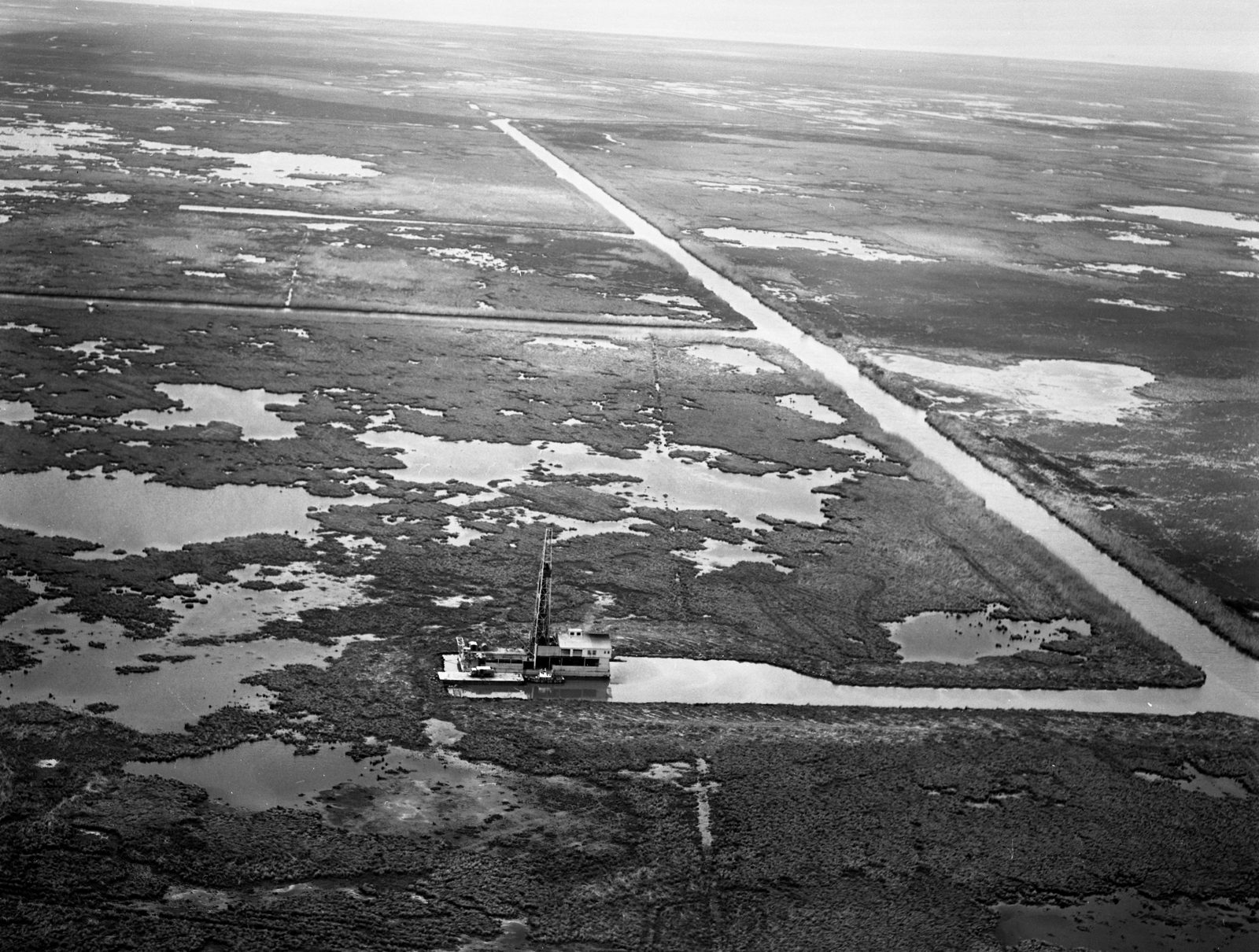
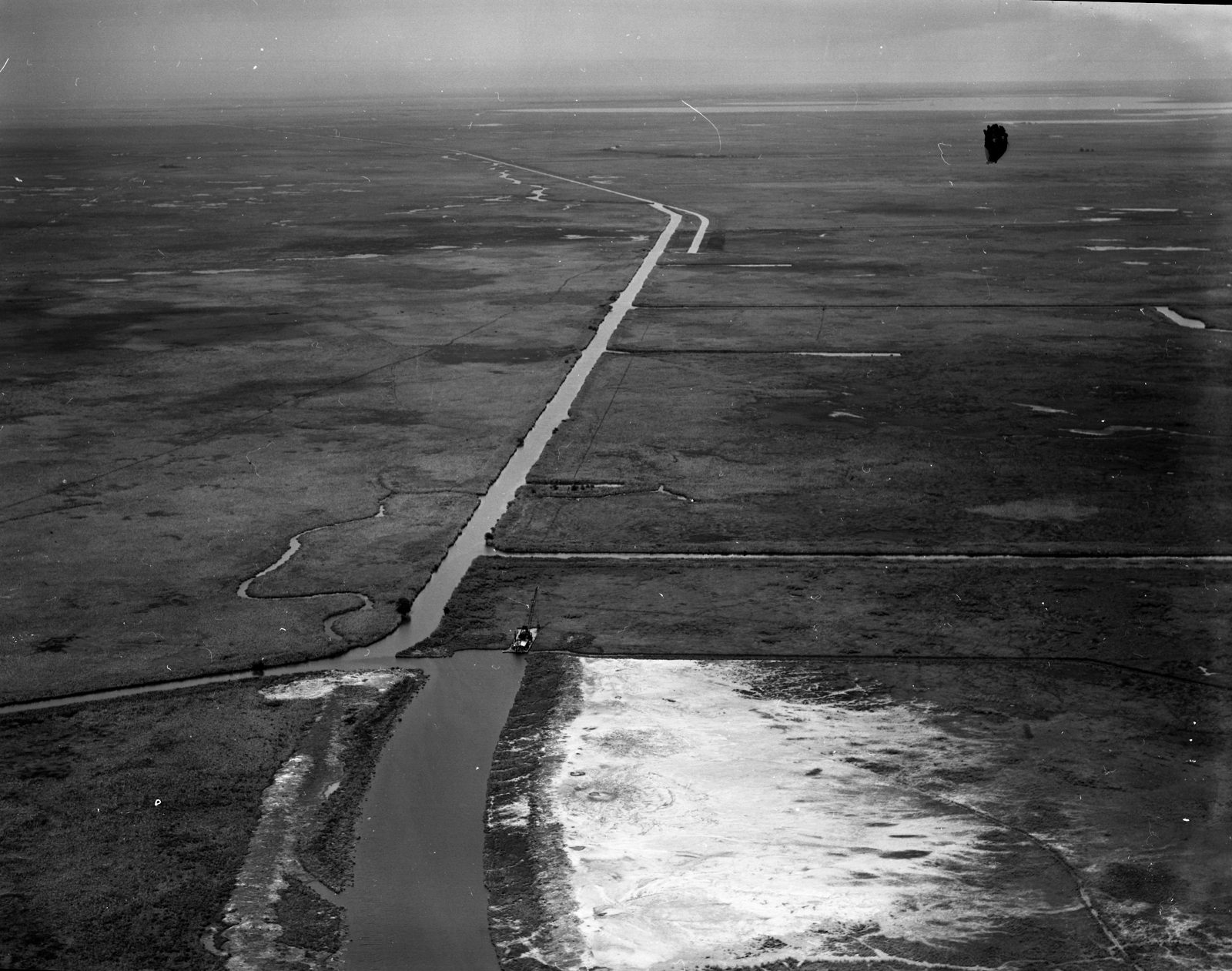
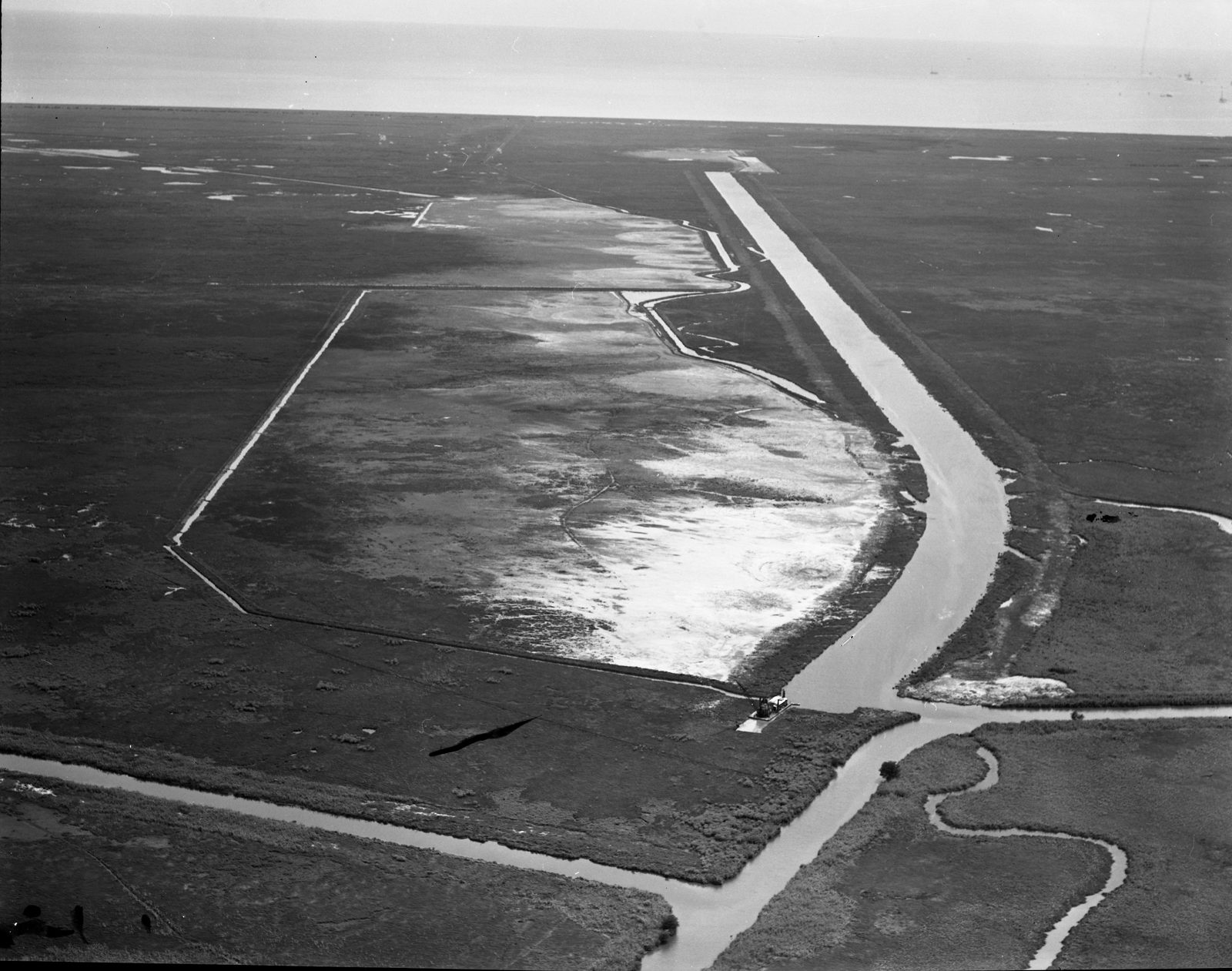
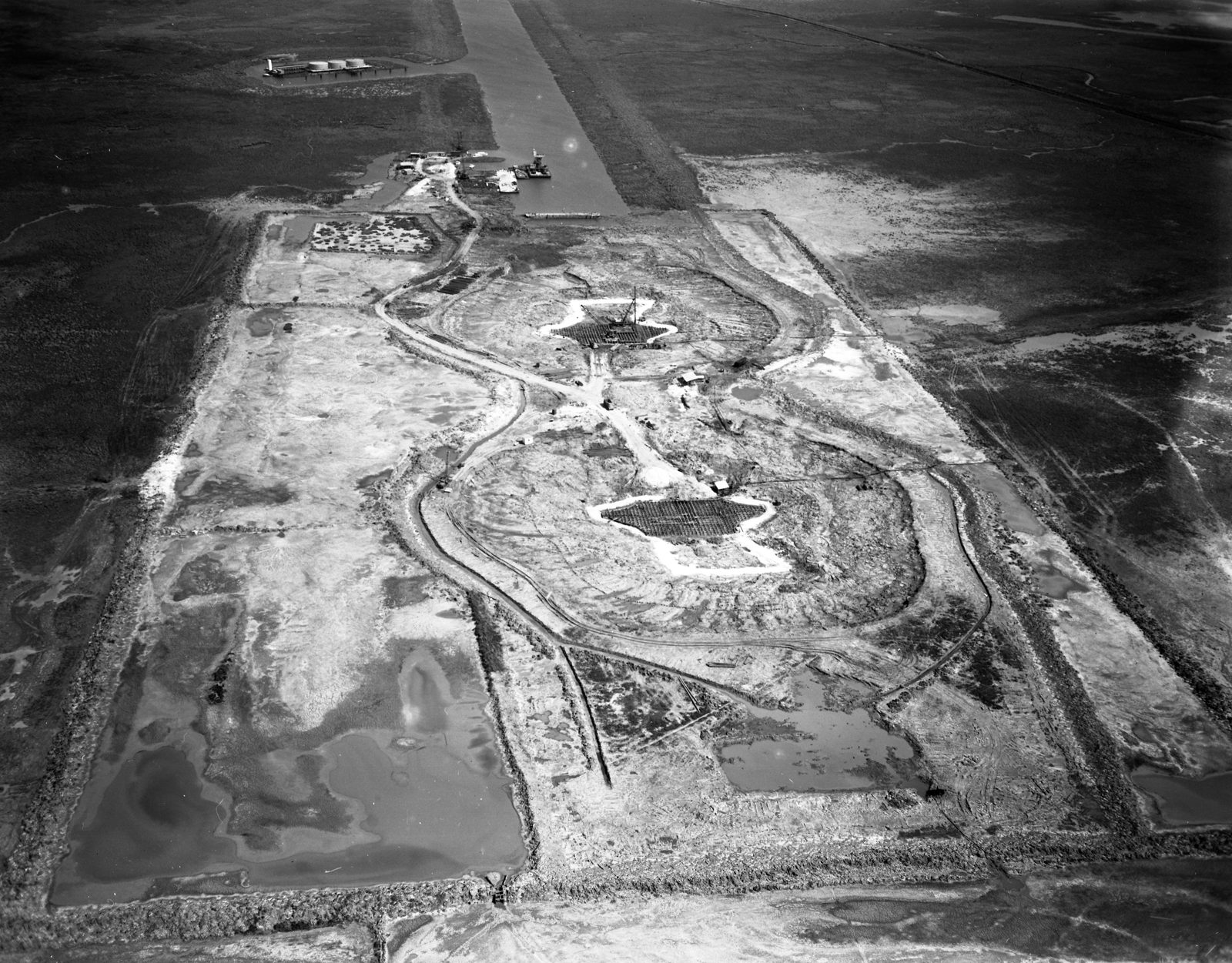
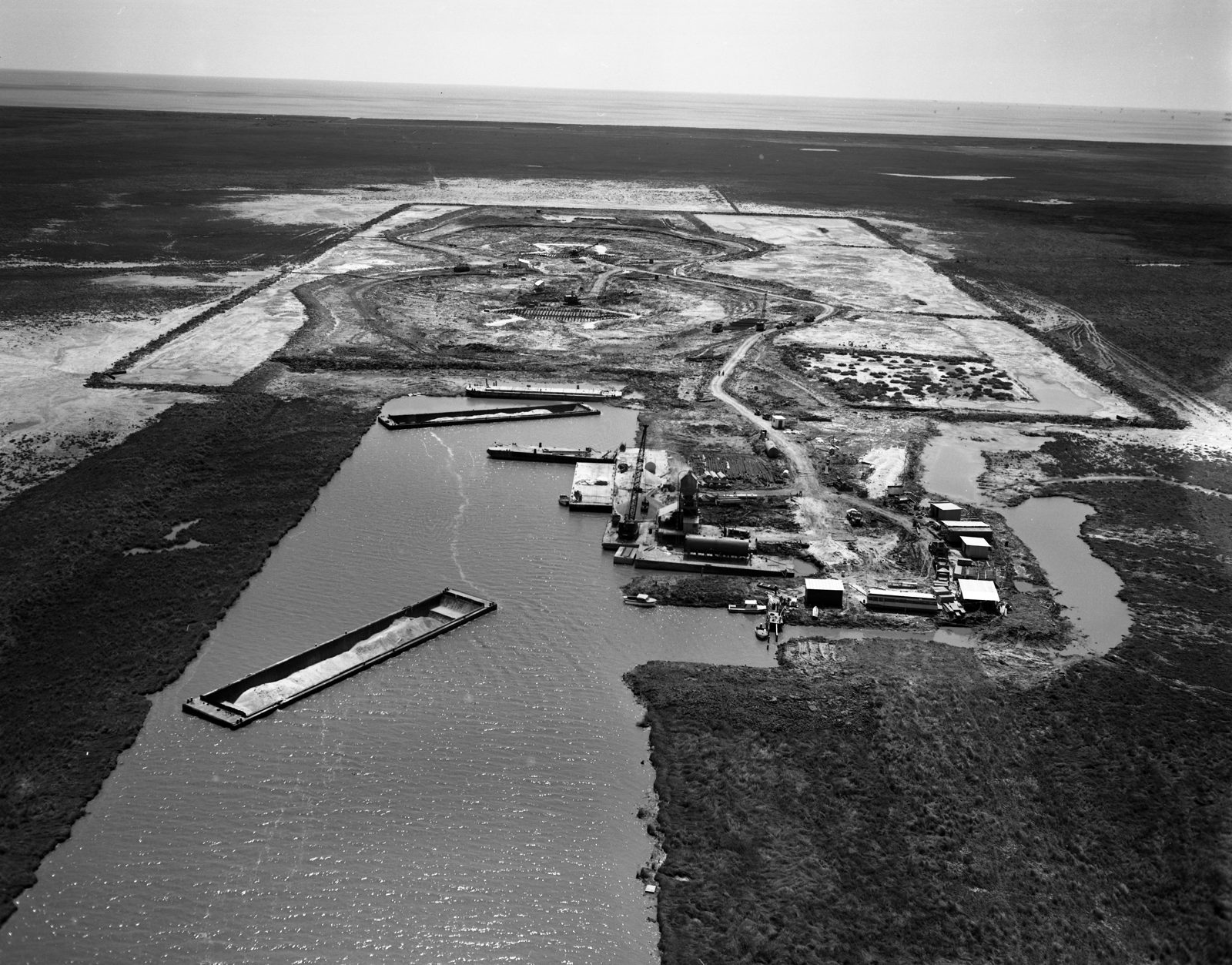
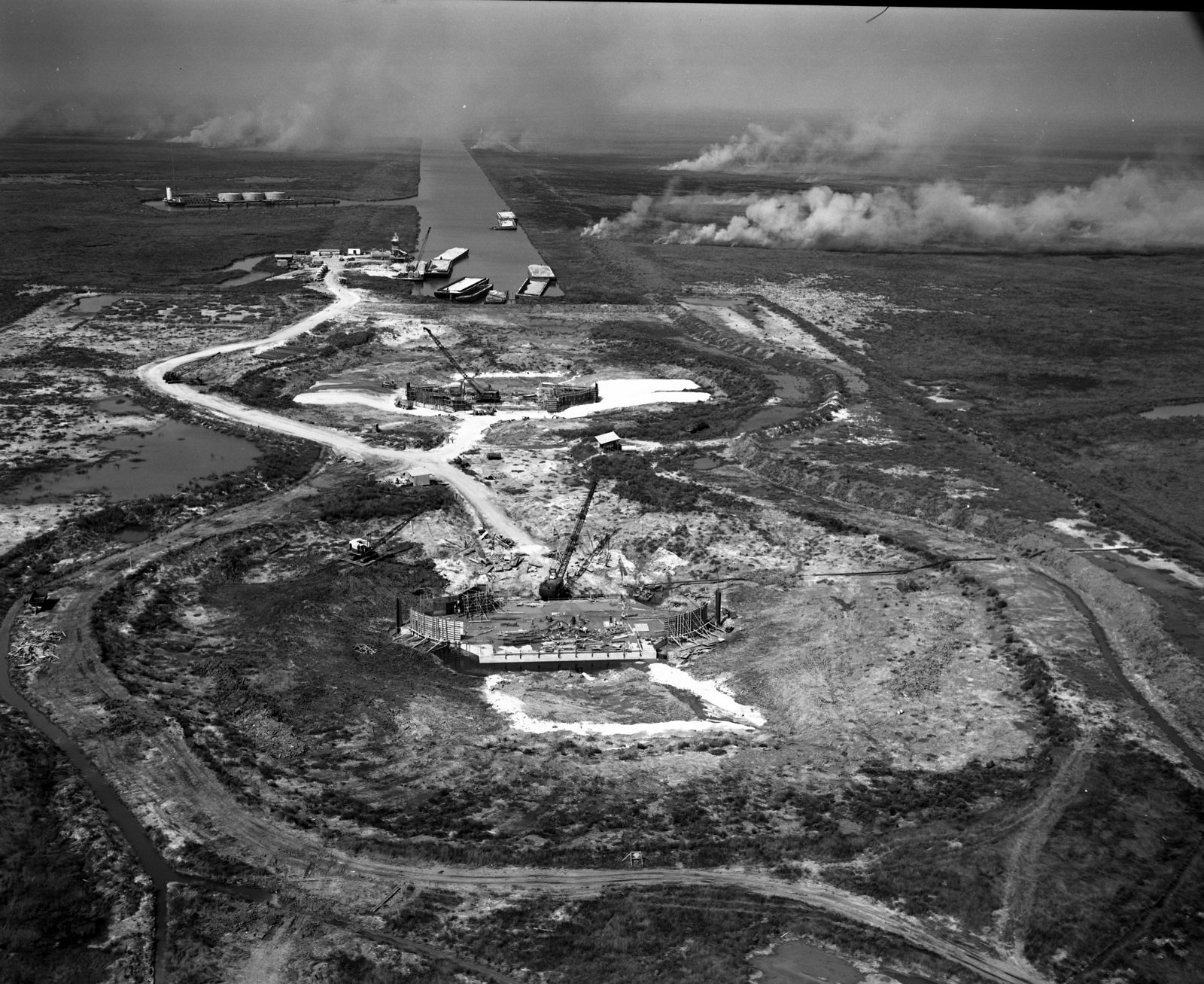
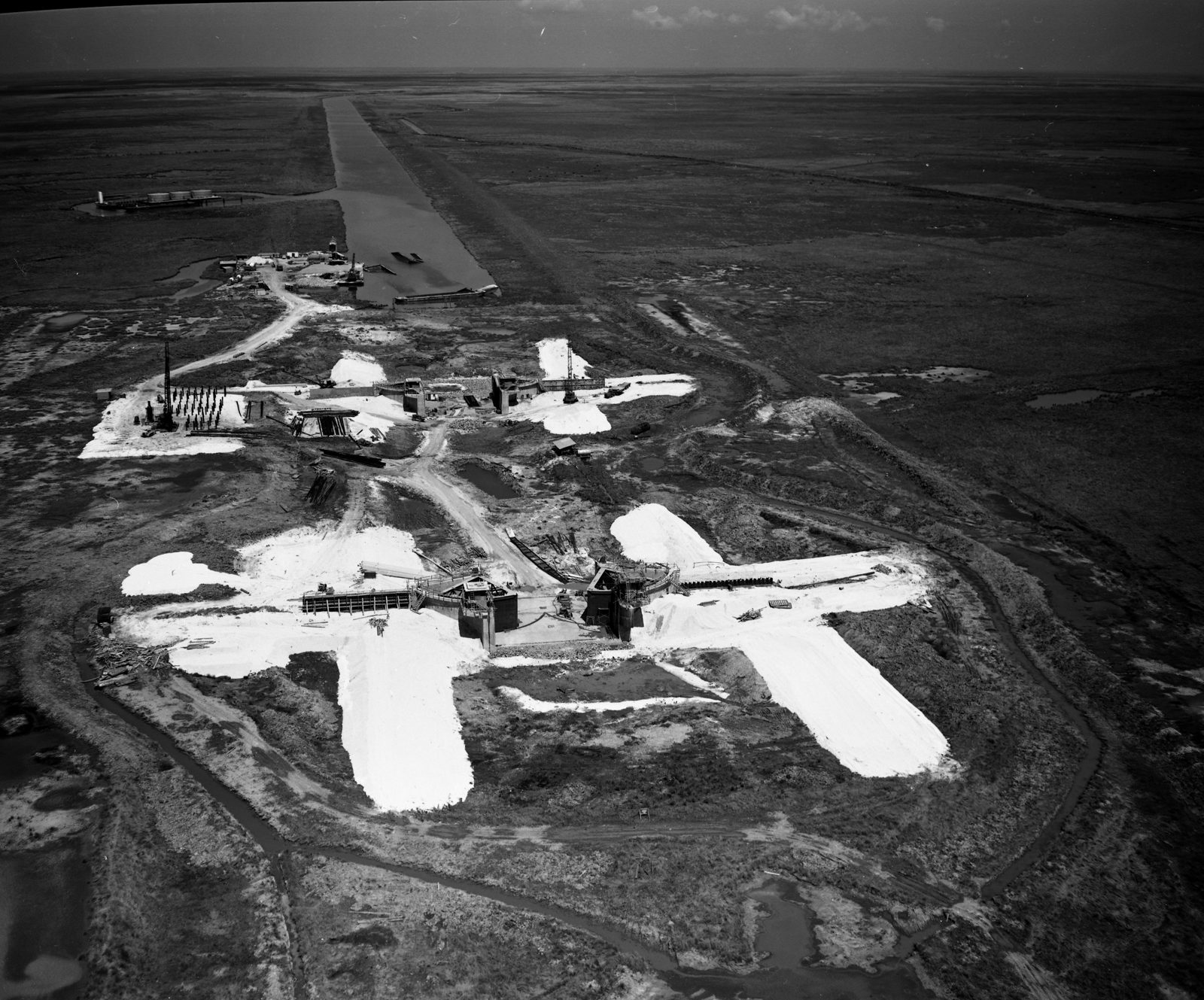
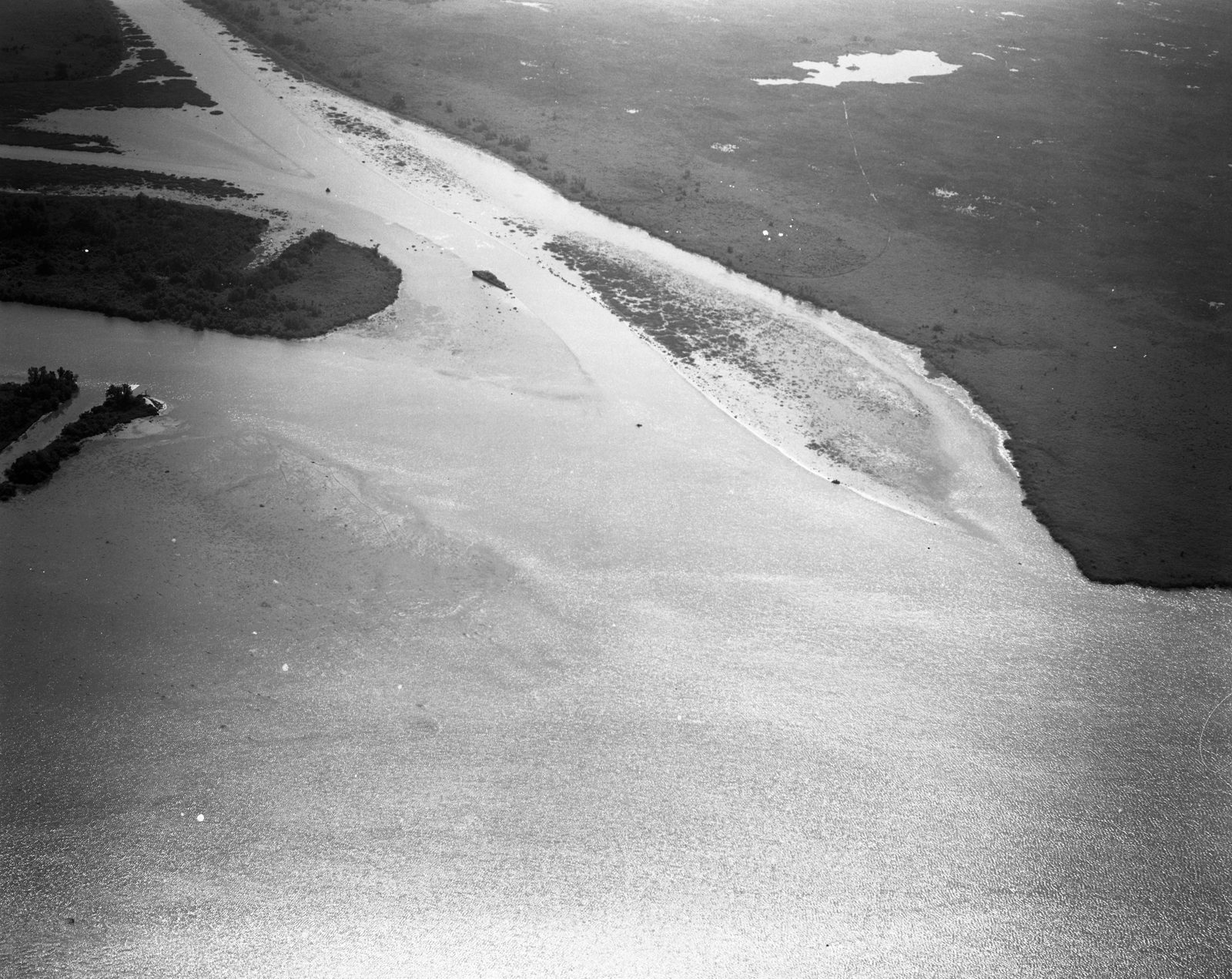
Throughout the 20th century, the U.S. government transformed Louisiana’s coast through a series of federally sponsored navigation projects designed to improve commerce and support an expanding maritime economy. Deepwater channels connected inland industries to the Gulf of Mexico to provide access for commercial fisheries and the expanding offshore oil and gas industry. Authorized by Congress in 1960, the Freshwater Bayou Channel was one of those projects. It provided a shorter route between the Intracoastal Waterway and the Gulf for marine traffic serving Louisiana’s offshore exploration and production operations.
Backed by local businesses, the oil industry, and state officials, the project generated broad support. One newly formed company, however, questioned the selected route and its potential environmental impacts. In 1958, following the sale of Louisiana Furs to Humble Oil (later Exxon), the former shareholders created Vermilion Corporation and retained a 99-year surface lease to manage 125,000 acres as a working marsh. Company managers and locally hired marshmen actively manipulated water levels to maximize wildlife production, commercial fisheries, trapping, hunting, and surface operations for the oil and gas industry. Rather than oppose the planned channel through its lease holdings, Vermilion Corp. commissioned an independent study headed by legendary Louisiana wildlife biologist Ted O’Neil and renowned LSU coastal scientist Richard Russell to evaluate the proposed route and recommend alternatives. The study recommended a channel route just to the east through Southwest Pass, in order to avoid detrimental impacts to the fresh marsh system that provided critical habitat to tens of thousands of wintering waterfowl. The sponsors of the channel project ignored the warnings and stuck with Plan A.
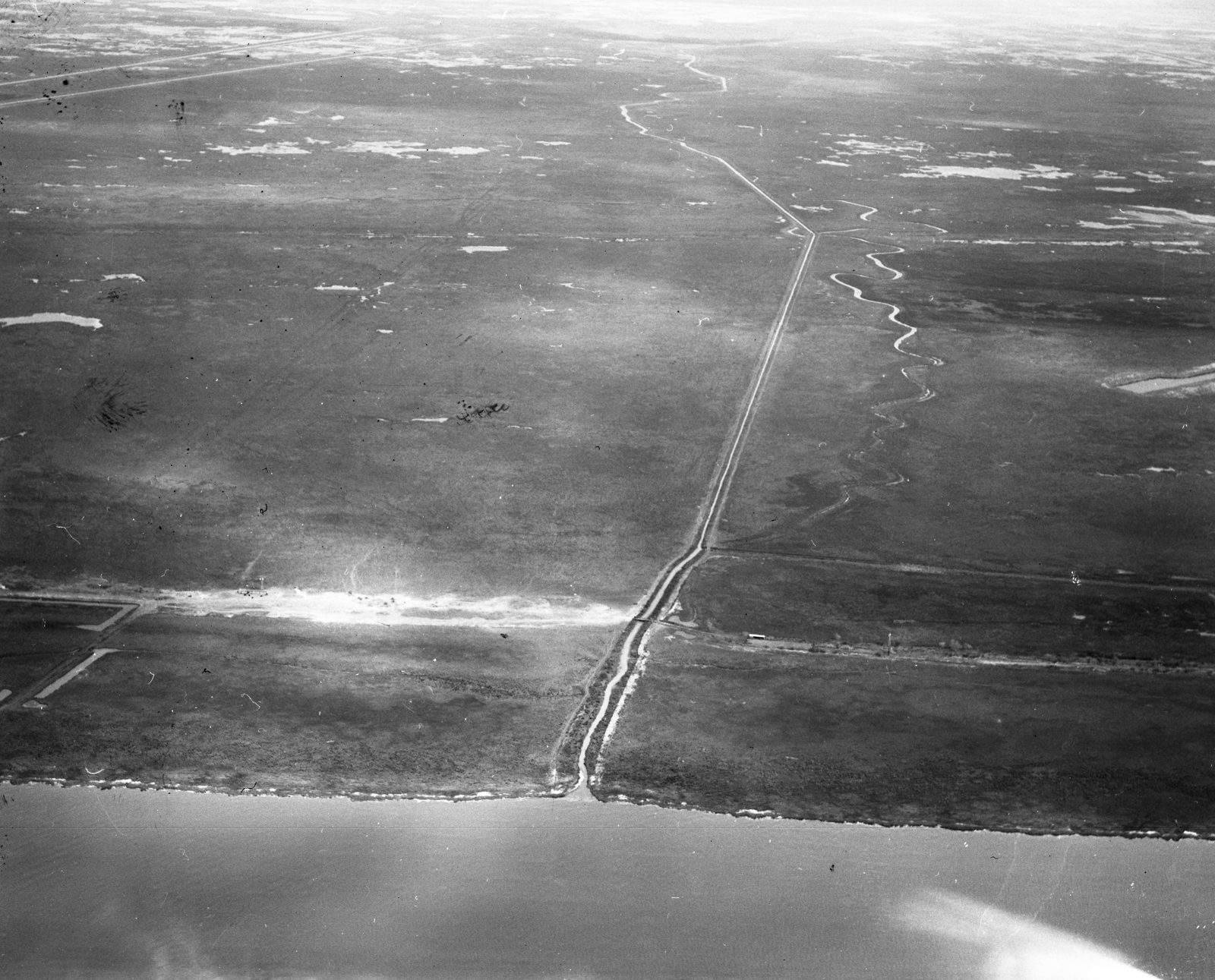
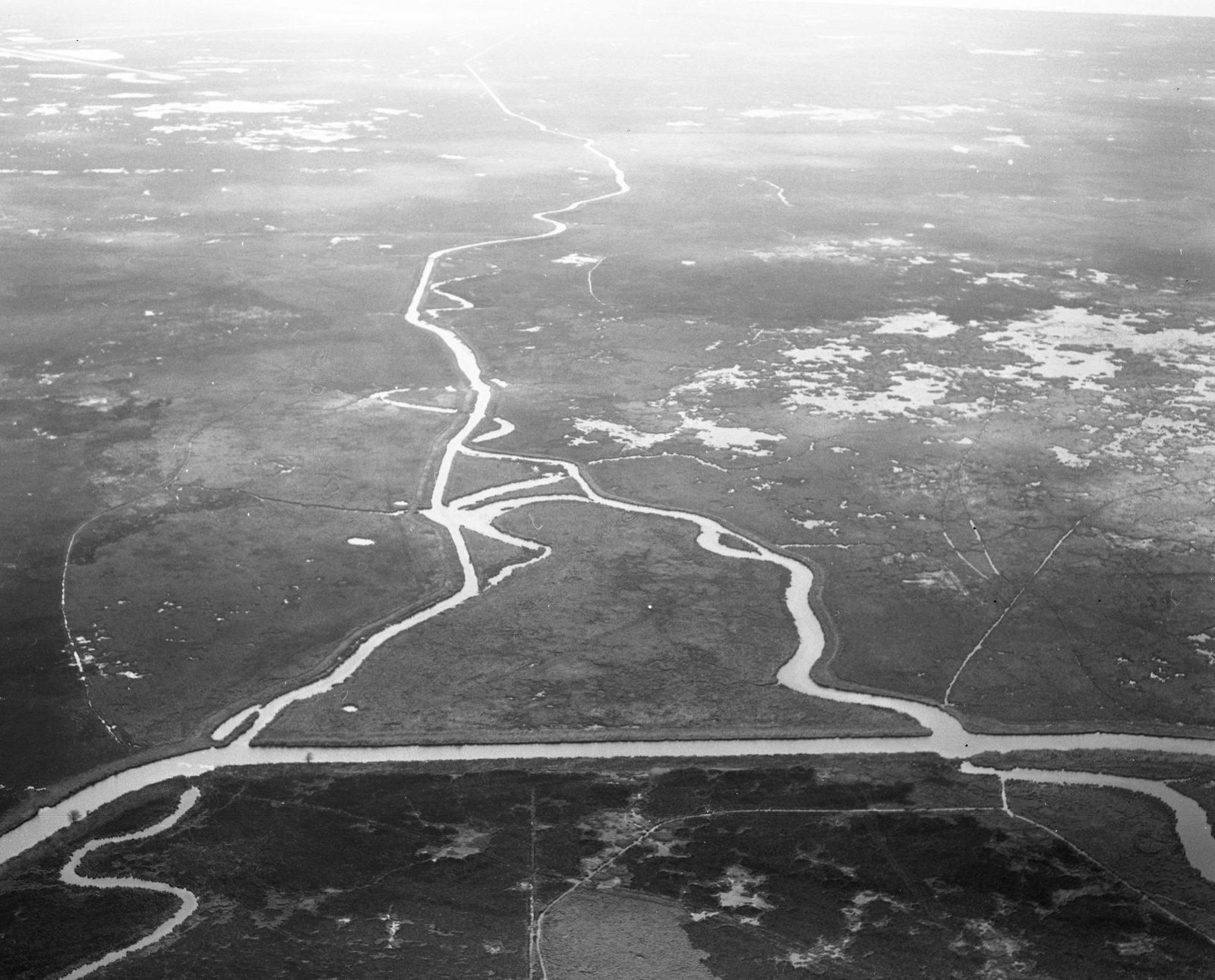
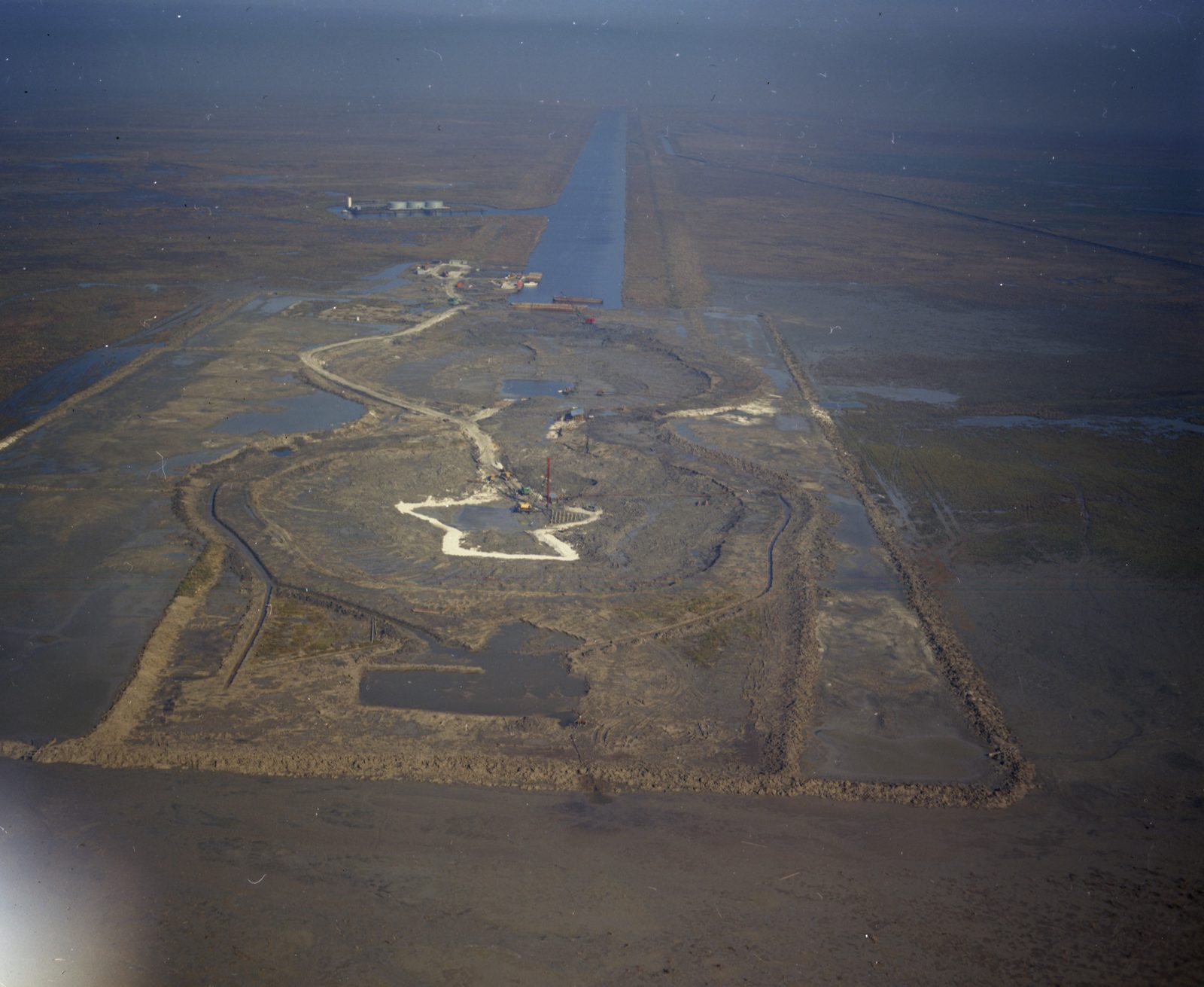
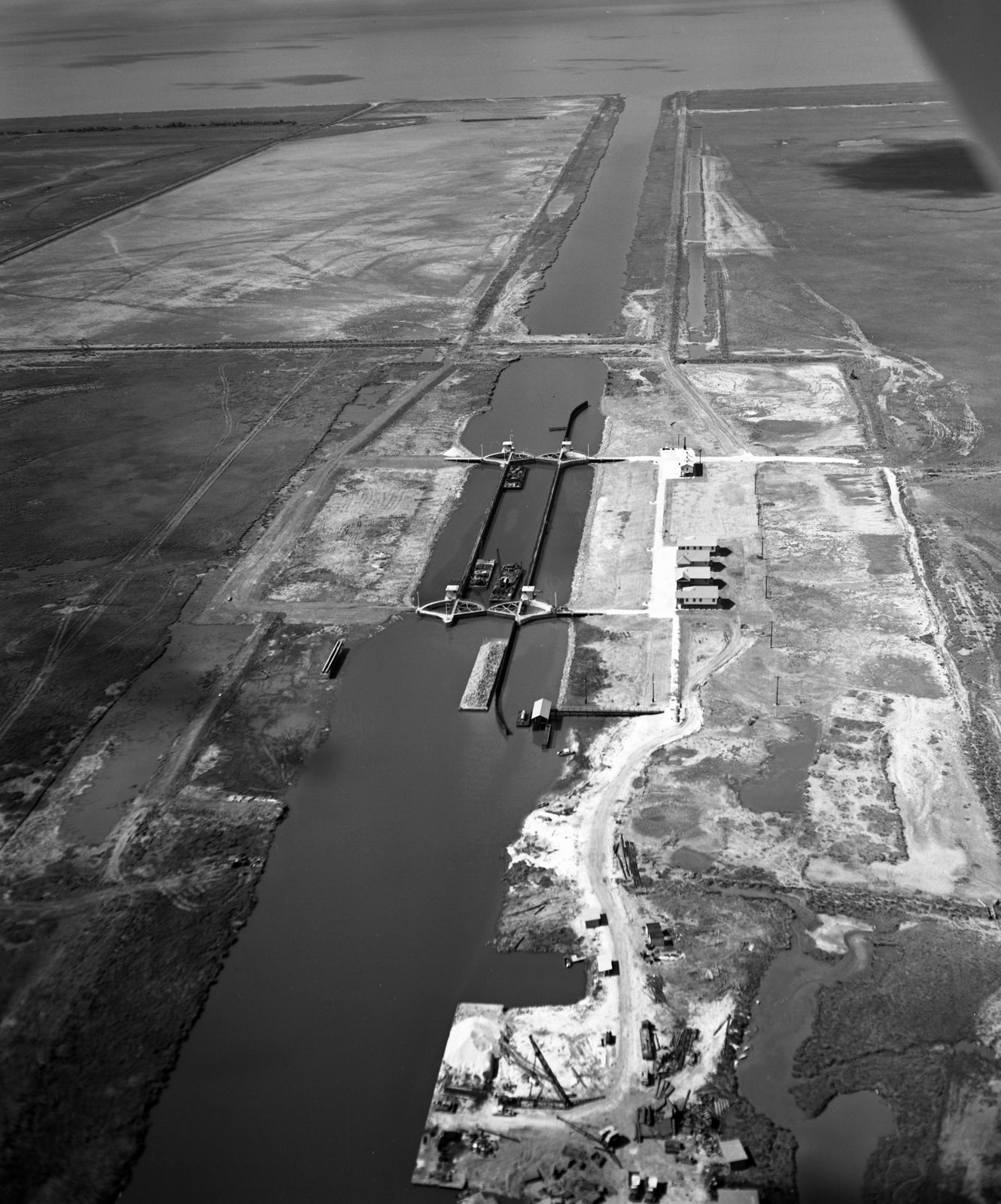
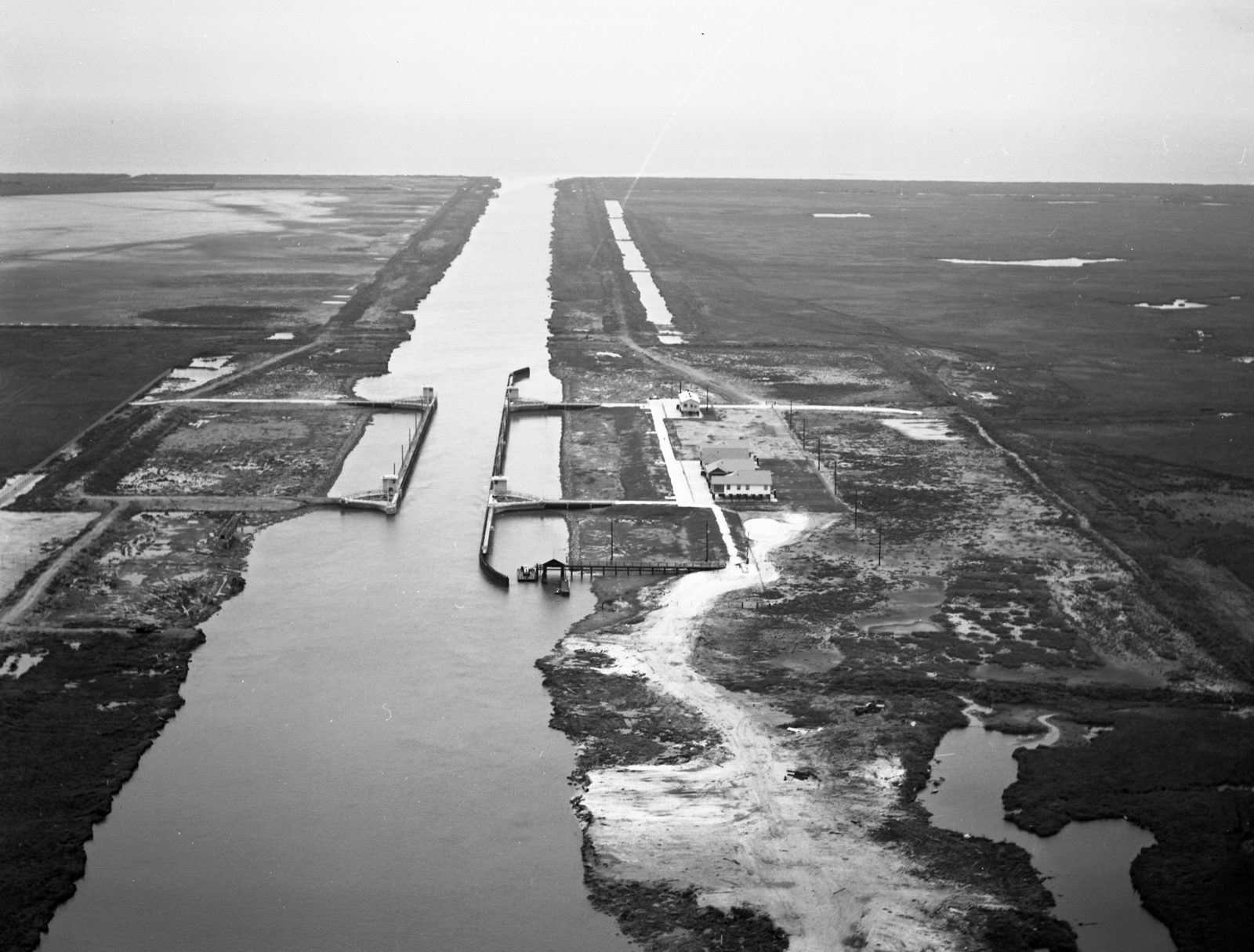
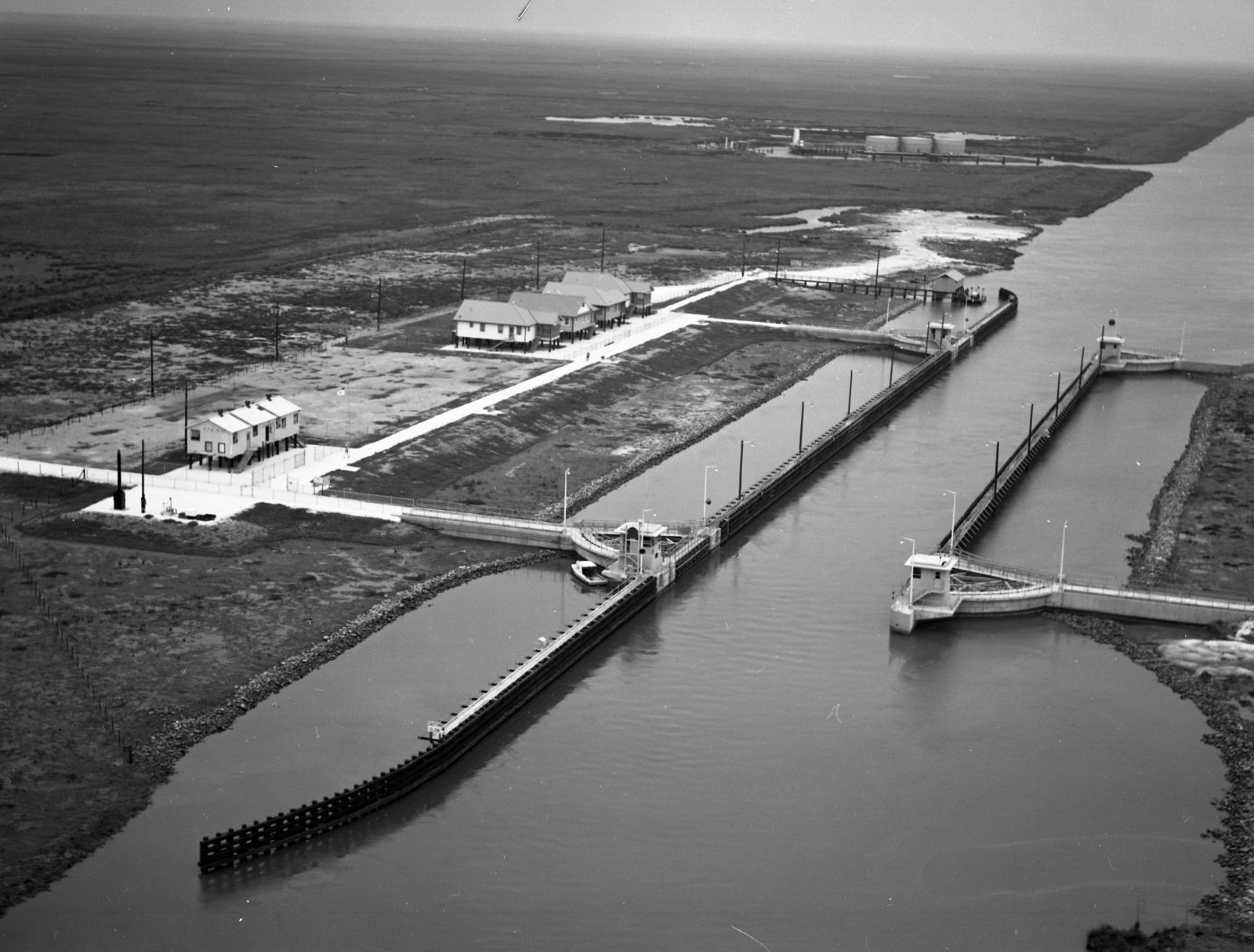
Dredging began in the early 1960s and finished with the construction of a major lock system near the edge of the Gulf. Like many major public works projects built before the environmental era, the Freshwater Bayou Channel reflected a national commitment to improving the waterways that connected America’s ports, industries, and emerging offshore energy frontier.
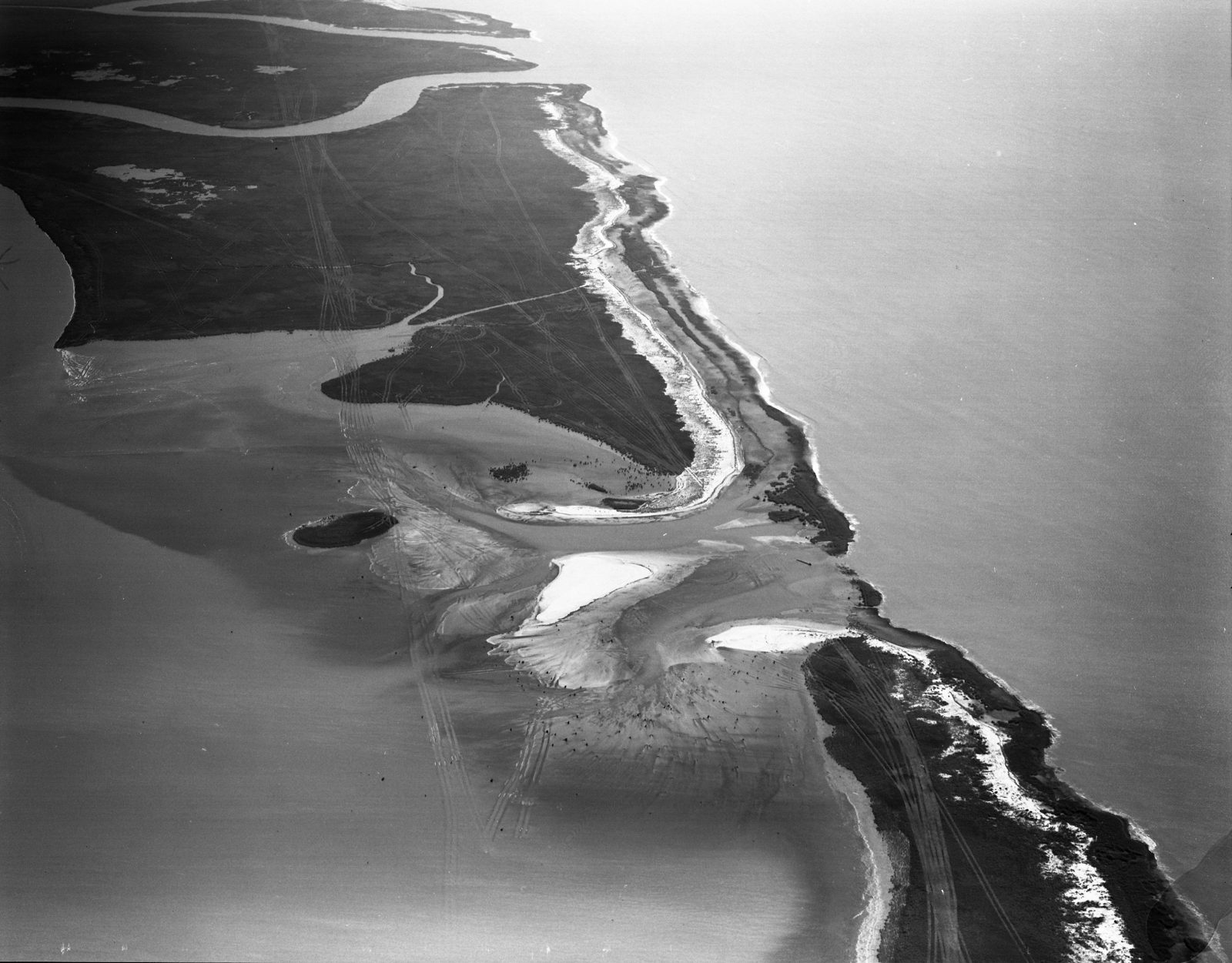
These rare photos, drawn from the Standard Oil Collection at the University of Louisville, the Richard Russell Collection, the Percy Viosca Collection, and U.S. Army Corps of Engineers photo archives, document the transformation of Freshwater Bayou at mid-century. They were compiled for the company history Great Game Paradise: A History of Vermilion Corporation (UL Press, 2018).
Images
Learn more
- Great Game Paradise: A History of Vermilion Corporation (UL Press, 2018)
- Next in the series: Dredging the “Infamous” MRGO
Need historical research on Louisiana’s coast?
Dr. Jason P. Theriot is a Houston historian who has spent 20 years researching Louisiana’s Working Coast: its oil and gas industry, pipelines, navigation channels, and coastal restoration. He provides archival research, historical chronologies, photo research, and written histories for law firms, companies, agencies, and organizations.
Litigation support · Research and writing services · Contact Jason or call (713) 417-3380