Caernarvon: Reconnecting the River to the Wetlands
Snapshots of a Working Coast, No. 4
As we approach the hundredth anniversary of the Great Flood of 1927, Caernarvon in Plaquemines Parish stands out as one of the defining places in that story and in the history of Louisiana’s Working Coast. On April 29, 1927, engineers dynamited the Mississippi River levee here in a desperate effort to relieve pressure on the rising waters in order to save New Orleans. The plan worked, but the “diversion” devastated large portions of St. Bernard Parish and the Breton Sound marshes. In the decades that followed, this same stretch of levee became central to a new debate as oystermen and fisheries experts warned that rising salinity levels from the Gulf were creeping deeper into traditional oyster grounds. On the horizon loomed an even larger problem: coastal erosion.
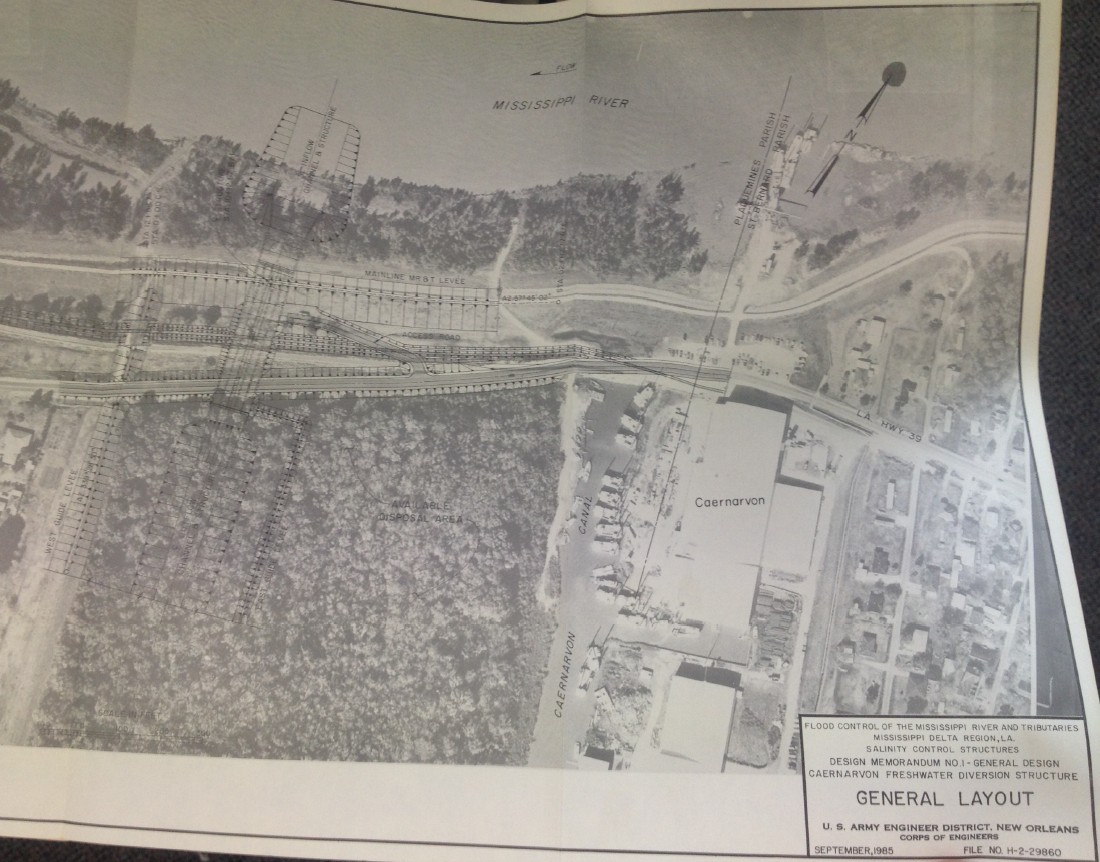
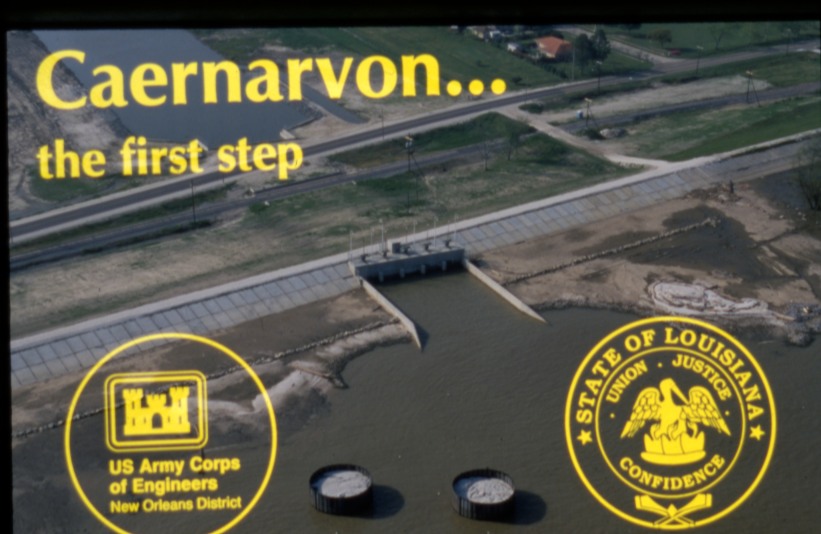
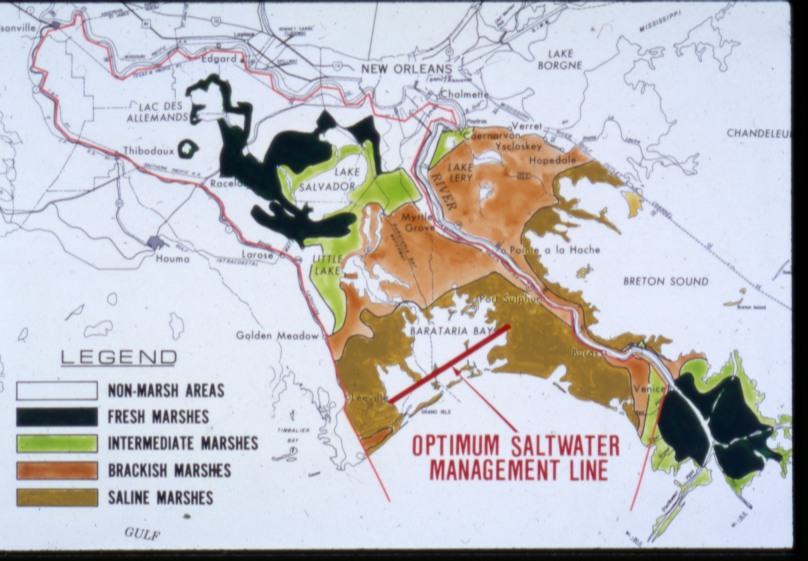
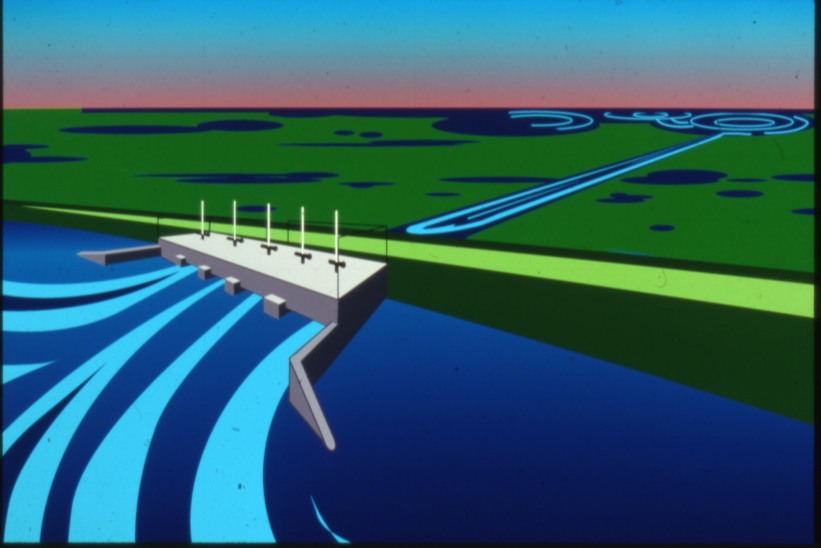
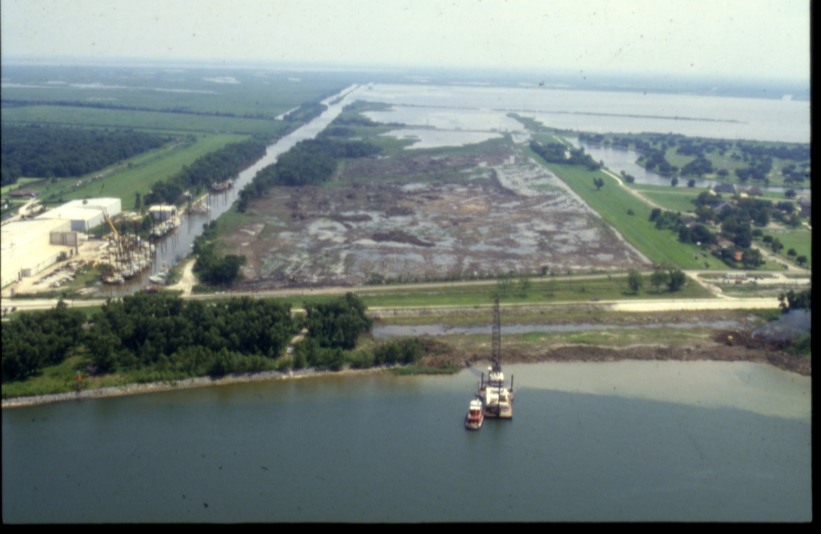
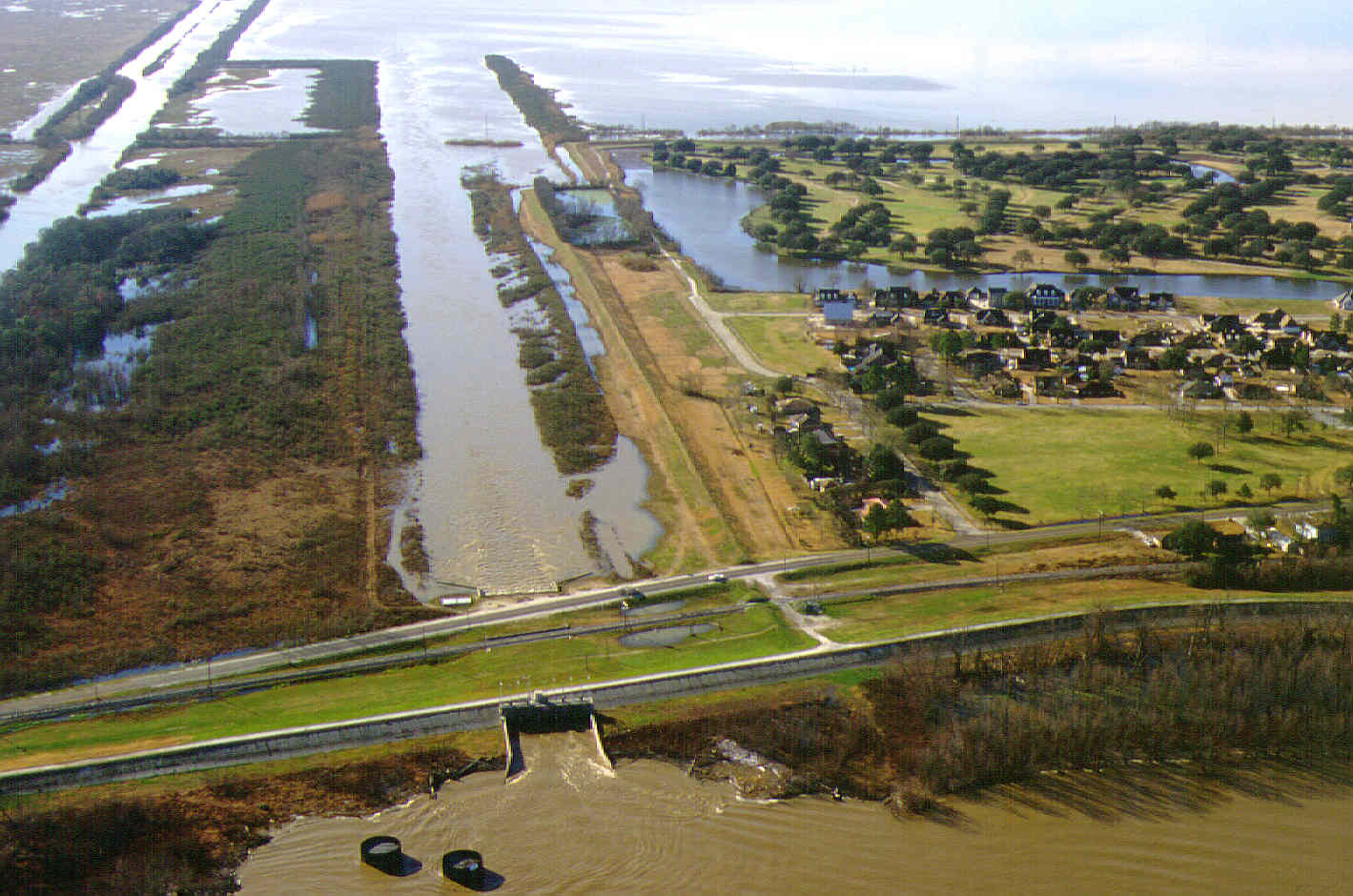
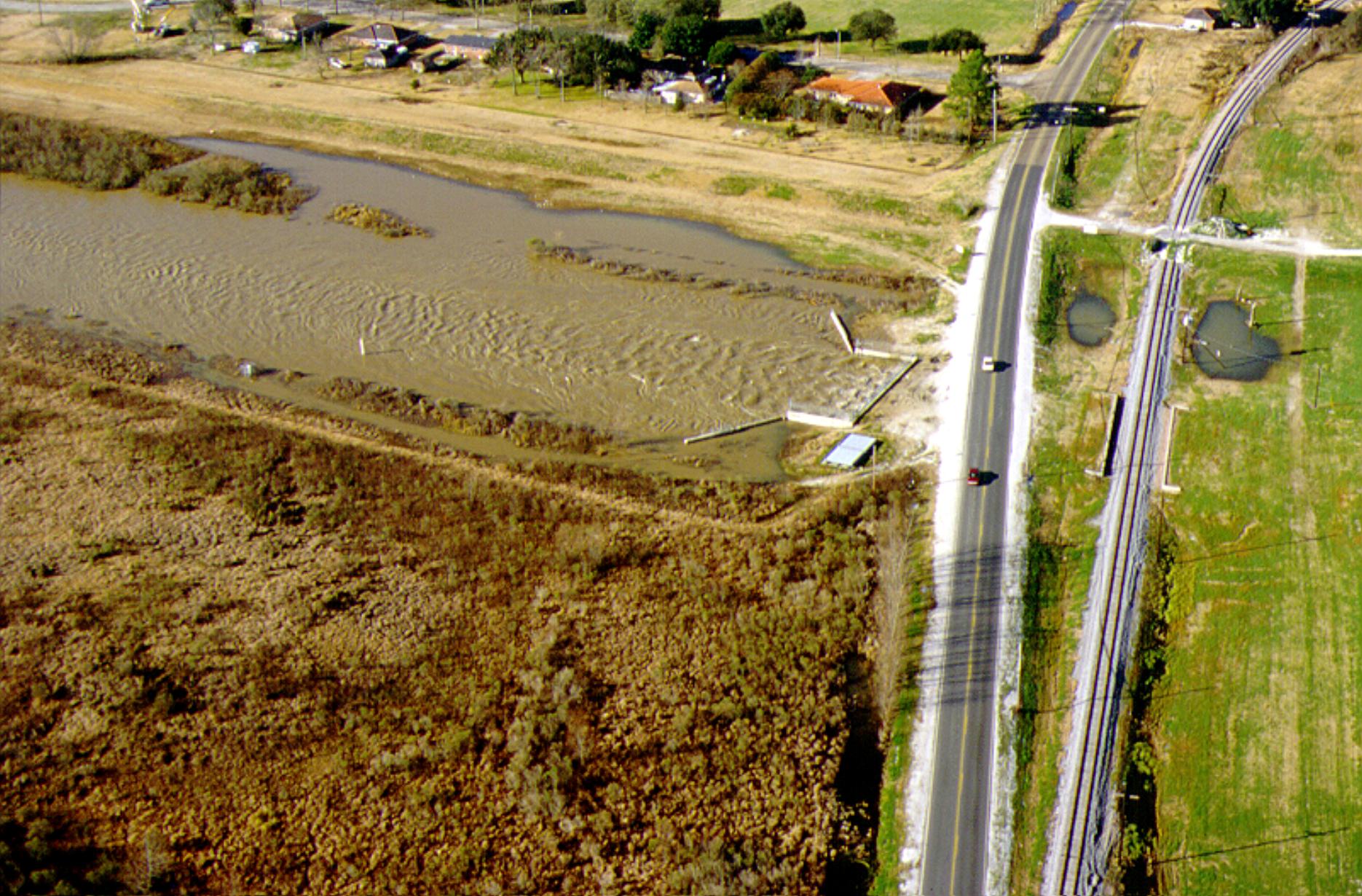
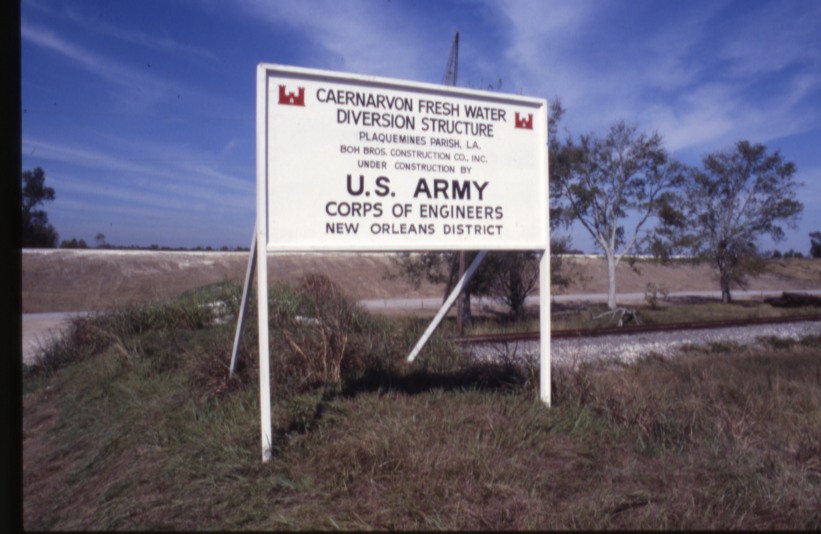
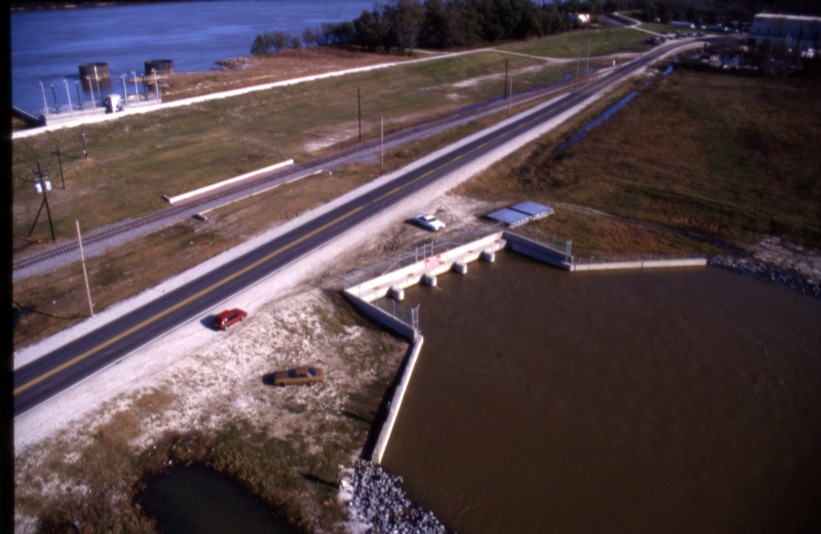
By the late 20th century, Caernarvon became Louisiana’s first major effort in reconnecting the river to its delta. The Caernarvon Freshwater Diversion, completed in 1991 through a joint federal-state-local effort, was designed to send controlled flows of Mississippi River water into the Breton Sound basin. The goal was twofold: to push back saltwater intrusion and to replenish wetlands that had been cut off from the river’s freshwater and sediment.
The results were complicated. Freshwater flows helped stimulate wetland growth, but they also affected oyster beds. Oystermen sued the state, arguing that the diversion damaged their resource. The litigation, known collectively as the Avenal cases, became one of Louisiana’s earliest legal battles over coastal restoration. In that sense, Caernarvon laid the groundwork for later debates over even larger diversion proposals, including the controversial billion-dollar Mid-Barataria project.
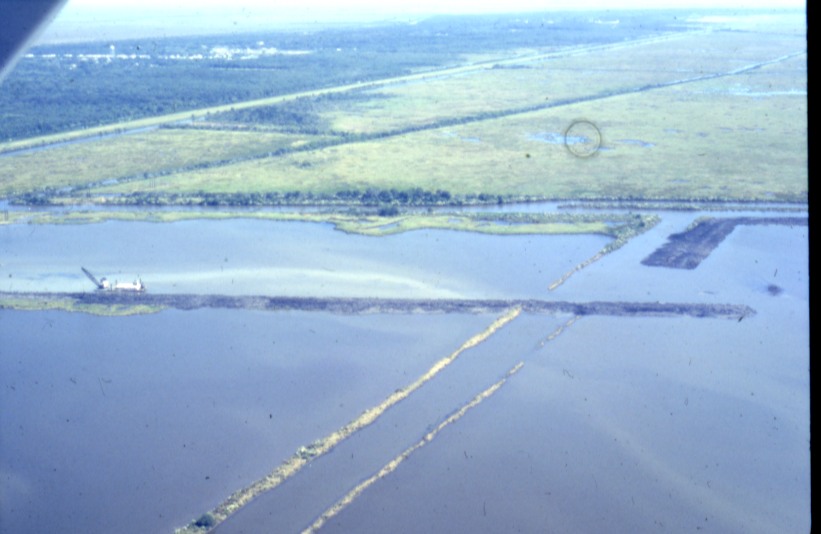
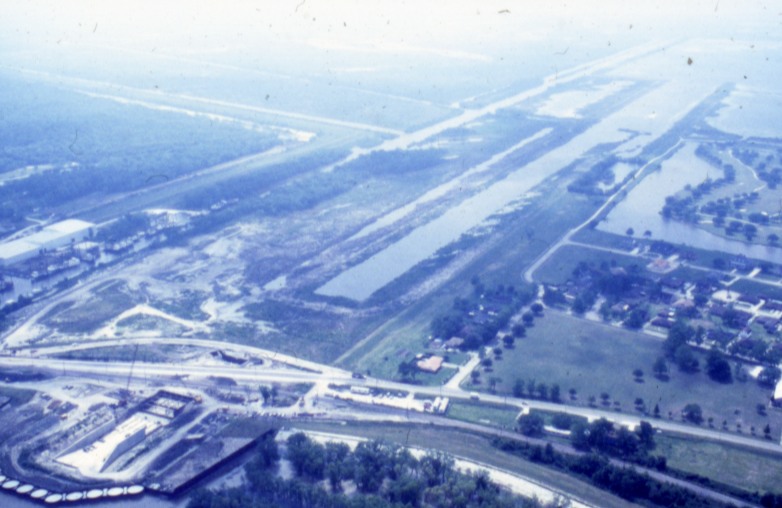
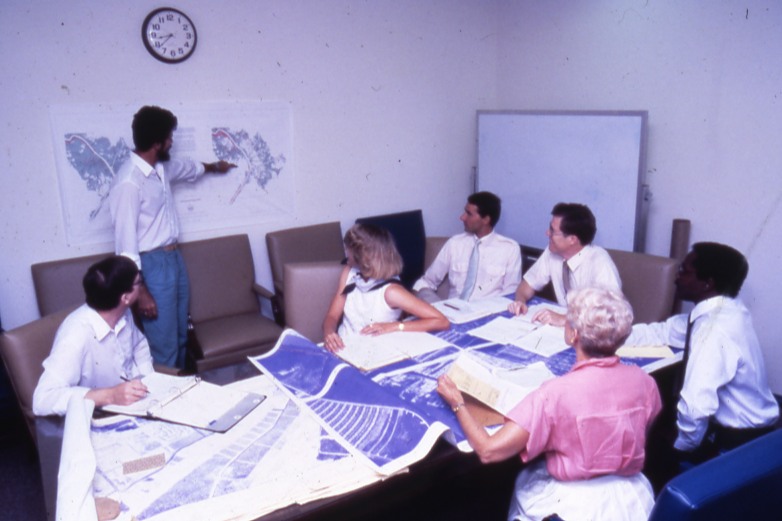
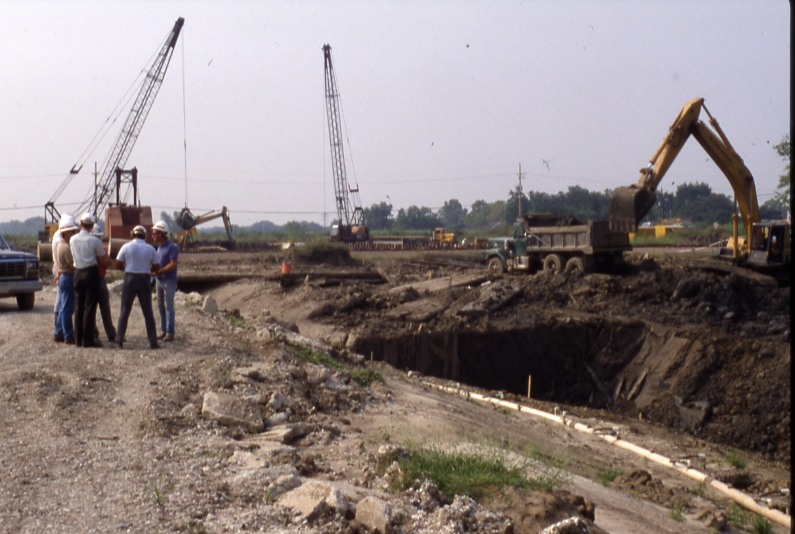
These rare images from U.S. Army Corps of Engineers photo archives show the evolution of the Caernarvon Freshwater Diversion through planning, construction, and operation. This snapshot of a working coast highlights the ongoing struggle to control the mighty river and maintain the marsh landscape that it built over thousands of years.
Images
Learn more
- American Energy, Imperiled Coast (LSU Press, 2014)
Need historical research on Louisiana’s coast?
Dr. Jason P. Theriot is a Houston historian who has spent 20 years researching Louisiana’s Working Coast: its oil and gas industry, pipelines, navigation channels, and coastal restoration. He provides archival research, historical chronologies, photo research, and written histories for law firms, companies, agencies, and organizations.
Litigation support · Research and writing services · Contact Jason or call (713) 417-3380